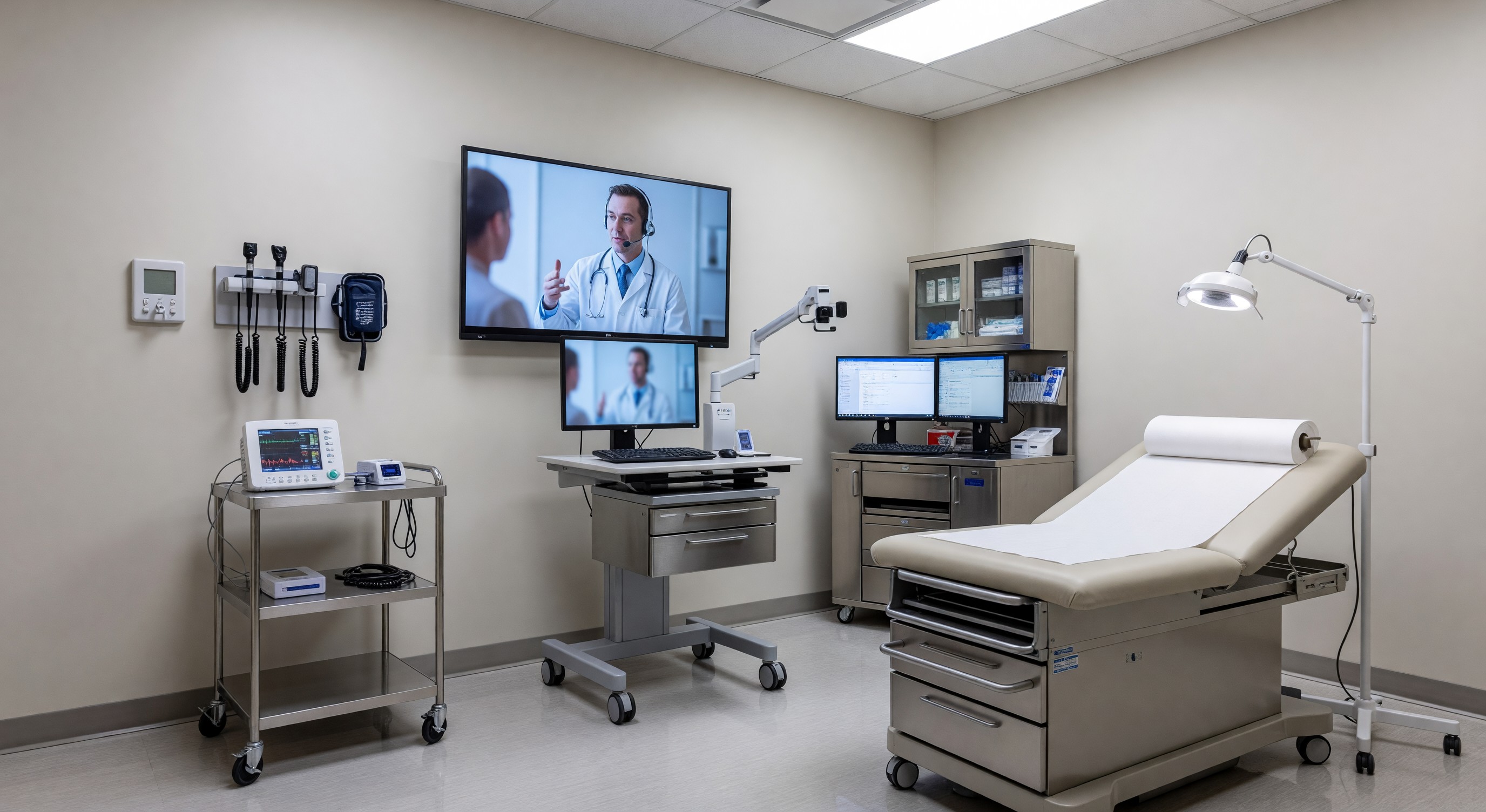
Telemedicine shifted from a niche clinical capability to a mainstream care delivery modality during COVID-19, and healthcare organizations that moved quickly discovered that their physical infrastructure was often inadequate for the demand. Unstable wireless networks in clinical areas, patient rooms without adequate audio/visual capability, and clinical workflows that assumed in-person encounters all created friction that reduced the quality and efficiency of telehealth care.
Three years after the pandemic-era acceleration, telemedicine is a permanent element of the care delivery model for most health systems—and facility directors are now responsible for the physical infrastructure that makes it work. This covers network capacity, physical room design, audio/visual technology systems, integration with the electronic health record, and the ongoing maintenance of a rapidly evolving technology environment.
Network Infrastructure as the Telemedicine Foundation
Telemedicine quality is ultimately limited by network performance. High-definition video requires stable bandwidth (typically 1.5–3 Mbps per session); latency above 150ms creates perceptible delay that disrupts clinical communication; packet loss above 1% causes video and audio degradation that can make clinical assessment impossible.
Healthcare network infrastructure supporting telemedicine must provide:
Adequate Bandwidth Healthcare organizations running multiple simultaneous telemedicine sessions need network capacity that accounts for all concurrent video sessions plus standard clinical data traffic. A large ambulatory clinic running 20 telemedicine encounters simultaneously requires 30–60 Mbps of dedicated uplink capacity for video traffic alone.
Low Latency Routing Healthcare enterprise networks with complex routing between clinical locations and the internet (or between locations in a distributed health system) must ensure that telemedicine traffic is not routed through unnecessarily long paths that add latency. Quality of service (QoS) policies that prioritize real-time video traffic over background data transfers are essential.
Wireless Coverage and Capacity Telemedicine conducted from mobile devices or tablet-equipped examination rooms requires reliable wireless coverage throughout clinical areas. Healthcare wireless networks must provide coverage (adequate signal), capacity (sufficient access points to handle the number of simultaneous device connections per area), and reliability (access point redundancy and automatic failover).
Wi-Fi 6 (802.11ax) deployment has become the standard for new and upgraded healthcare wireless networks, providing the capacity and efficiency improvements needed to support high-density device environments including telemedicine.
Network Segmentation Telemedicine platforms that integrate with electronic health records or access protected health information must be placed on appropriate network segments with appropriate security controls. The clinical network segment supporting telemedicine systems should be isolated from general guest wireless and non-clinical networks.
Dedicated Telemedicine Room Design
While telemedicine can be conducted from any space with adequate network and a device, dedicated telemedicine rooms optimized for video consultation provide the best clinical experience. Key design elements:
Camera Positioning and Lighting Camera placement at eye level when the provider is seated provides the most natural video consultation experience. Backlit environments (window directly behind the provider) create silhouetting that makes facial expression difficult to read—a significant clinical concern for behavioral health and therapeutic telemedicine encounters. Dedicated rooms should have controlled lighting with no direct backlight toward the camera.
Background Design Professional, non-distracting backgrounds improve the patient and provider experience. Some healthcare organizations use branded backgrounds or digital background systems that maintain organizational identity across all telemedicine encounters regardless of room conditions.
Audio Quality Acoustic quality is as important as video quality for clinical telemedicine. Rooms with hard surfaces generate reverberant audio that reduces speech intelligibility. Dedicated telemedicine rooms should have acoustic treatment—carpet, acoustic ceiling tiles, soft furnishings—that reduces reverberation time. High-quality directional microphones or speakerphone systems with echo cancellation further improve audio quality.
Clinical Equipment Integration Examination-focused telemedicine encounters require integration of peripheral clinical devices: digital stethoscopes, otoscopes, dermatoscopes, and patient monitoring devices that capture examination data and transmit it as part of the telemedicine session. Dedicated examination rooms should have appropriate power and connectivity for these devices.
Inpatient Room Telemedicine Capability
Inpatient telemedicine—connecting hospitalized patients with family members, remote specialists, or social services—requires different technology than outpatient consultation. Key considerations:
Patient-Facing Devices Hospitals deploying inpatient telemedicine typically use either in-room fixed displays with camera systems or tablet-based devices deployed to patient rooms on request. Fixed systems provide better video quality but require capital investment across all patient rooms; tablet systems are flexible but require device management, sanitation protocols, and charging infrastructure.
Isolation Room Considerations Telemedicine reduces the need for providers to enter isolation rooms for non-essential clinical encounters. Dedicated isolation room telemedicine systems—hardwired display and camera systems that can be fully decontaminated—allow clinical communication without requiring donning and doffing of PPE for every provider interaction.
Integration with Nurse Call and Communication Patient room telemedicine systems should integrate with existing nurse call and communication systems rather than adding another separate communication device to the patient room. Integration with the patient experience platform allows family communication to be managed as part of the overall patient experience rather than as a separate technology.
EMR Integration and Workflow
The clinical value of telemedicine is significantly affected by how well it integrates with existing clinical workflows and the electronic health record. Facility directors working with clinical informatics teams on telemedicine infrastructure should understand:
EMR-Embedded Video Leading EMR platforms (Epic, Oracle Health/Cerner, MEDITECH) have integrated video visit capability that launches video sessions directly from clinical workflow without requiring separate login to a telemedicine platform. This integration eliminates workflow friction and keeps the clinical encounter documentation in the EHR where it belongs.
Technical Support Integration Telemedicine technical support must be accessible to patients and providers during encounters. Clear escalation paths for audio/video troubleshooting—accessible in under 60 seconds—prevent clinical encounters from failing due to solvable technical issues.
Maintenance and Technology Lifecycle
Telemedicine technology evolves rapidly. Infrastructure investments made during the 2020-2021 pandemic acceleration have already been superseded in some areas by improved video platforms, better camera systems, and more capable network equipment. Healthcare facility technology lifecycle planning for telemedicine should account for:
- Video conferencing platform updates and certification requirements
- Camera and display hardware replacement cycles (typically 5–7 years for clinical-grade equipment)
- Network equipment refresh cycles aligned with Wi-Fi standard evolution
- Clinical peripheral device compatibility with platform updates
Frequently Asked Questions
What bandwidth should a healthcare organization plan for if it’s implementing telemedicine in all patient rooms? Planning for all patient rooms having simultaneous telemedicine capability is unnecessary—a realistic planning assumption might be 5–15% of rooms having active sessions simultaneously. A 300-bed hospital planning for 15% simultaneous use (45 rooms) at 3 Mbps per session requires approximately 135 Mbps of dedicated telemedicine bandwidth, plus overhead for burst capacity.
How should healthcare facilities handle telemedicine technology in behavioral health settings? Behavioral health telemedicine requires specific attention to privacy (rooms must provide adequate sound isolation to prevent others from overhearing sessions), therapeutic environment design (video backgrounds and room aesthetics appropriate for therapeutic relationships), and crisis response integration (clear protocols for responding to patient crisis during remote sessions, including local 911 dispatch capability).
What’s the role of the facility director versus the IT department in telemedicine infrastructure? Facility directors are primarily responsible for physical space design, HVAC (acoustic considerations), network infrastructure (cabling, telecommunications rooms, wireless access point placement), power and outlet placement, and furniture selection. IT is responsible for network configuration, device management, platform selection and configuration, and EMR integration. The two functions must collaborate closely on telemedicine room design to ensure that physical and digital infrastructure decisions are made jointly.
How does telemedicine infrastructure interact with HIPAA requirements? Telemedicine encounters that involve patient health information must use platforms and network configurations that provide appropriate safeguards for ePHI. This includes encrypted video transmission, Business Associate Agreements with telemedicine platform vendors, and network security controls that prevent unauthorized access to telemedicine traffic. Physical privacy in the care environment—ensuring that telemedicine conversations cannot be overheard by unauthorized parties—is also a HIPAA physical safeguard requirement.