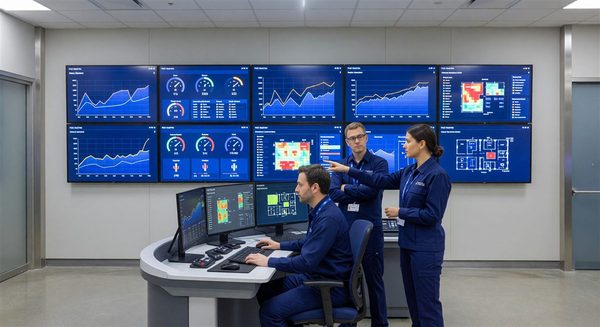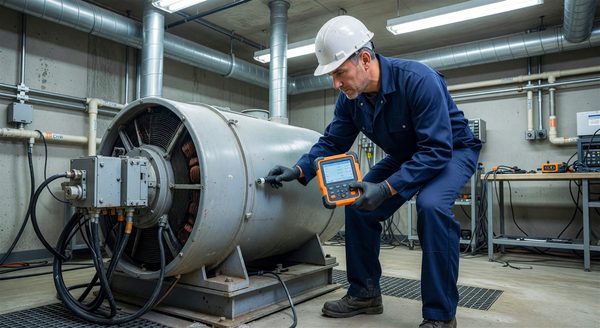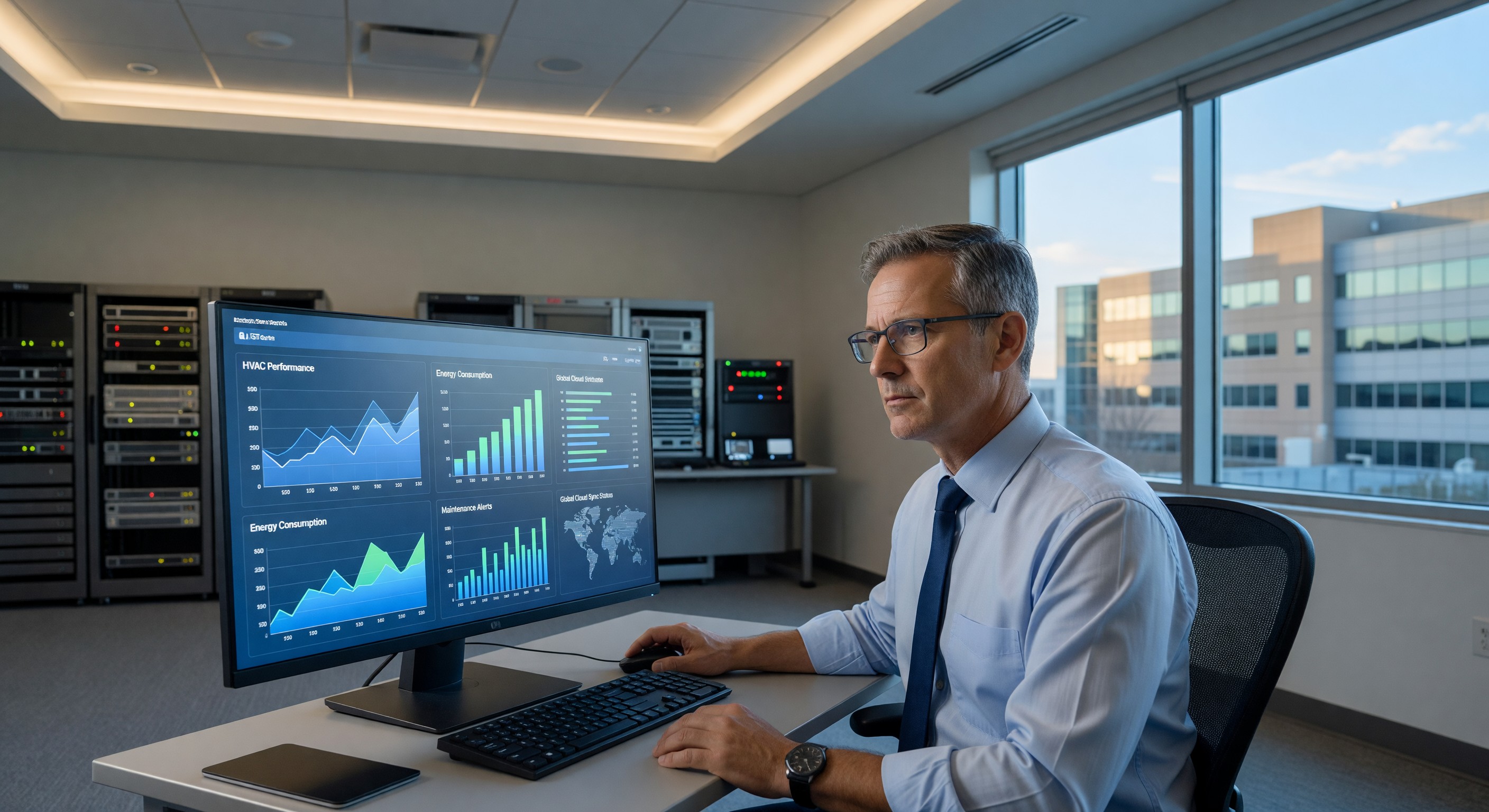
Hospital facility teams are under continuous pressure to do more with less — maintaining complex, aging infrastructure with staffing levels that have not kept pace with the growing technological sophistication of building systems. Remote monitoring technology addresses this gap by extending the reach of facility staff and technical experts beyond the physical boundaries of the hospital campus, enabling proactive intervention before equipment failures affect patient care.
The 2020s have brought a maturation of remote monitoring platforms for healthcare facilities — moving beyond basic alarm forwarding to sophisticated analytics, predictive fault detection, and remote expert support that transforms how hospital facility teams operate.
The Evolution of Remote Monitoring
Early building automation systems (BAS) provided on-site monitoring and control through a central workstation. Remote monitoring began with simple alarm notification via pager or email when setpoints were exceeded. Today’s remote monitoring platforms offer a fundamentally different capability:
First generation: Alarm forwarding — notify staff when something is already wrong Second generation: Dashboard visualization — see all systems in one interface, on or off site Third generation: Fault detection and diagnostics (FDD) — identify developing problems before they cause failures Fourth generation: AI-driven predictive analytics — forecast failures based on equipment performance signatures, not just threshold exceedances
Healthcare facilities at the leading edge of technology adoption are deploying fourth-generation platforms; most are implementing second- and third-generation capabilities.
Fault Detection and Diagnostics (FDD)
FDD is the most operationally transformative remote monitoring capability for hospital facilities. FDD platforms connect to BAS data streams and continuously analyze system performance against engineering rules and statistical baselines:
Rule-based FDD: Identifies known fault conditions — simultaneous heating and cooling, discharge air temperature out of range relative to setpoint, chilled water valve fully open with inadequate flow. Rules are developed from engineering knowledge of how systems should operate.
Model-based FDD: Compares actual equipment performance against a calibrated digital model of how the equipment should perform given its age, capacity, and current operating conditions. Deviations from the model indicate developing faults even before threshold exceedances occur.
Machine learning-based FDD: Algorithms trained on historical performance data identify anomalous patterns that precede known failure modes. Effective for complex multi-variable equipment like chillers and air handling units where failure signatures are subtle.
For hospitals, FDD delivers particular value in:
- OR AHU performance: Detecting early-stage valve or coil fouling before OR temperature and humidity drift outside ASHRAE 170 limits
- Critical environment monitoring: Flagging pressure differential anomalies in negative pressure isolation rooms before they become clinical problems
- Chiller and cooling tower performance: Identifying efficiency degradation that indicates fouling, refrigerant loss, or scaling before complete failure
Remote Expert Support Models
Beyond software analytics, remote monitoring enables new service delivery models:
Managed services: Building automation vendors or independent facility management firms monitor hospital systems continuously from remote operations centers, providing expert analysis and response without requiring on-site staff. When a fault is detected, remote engineers diagnose the issue and either resolve it remotely or dispatch on-site technicians with accurate fault information.
Hybrid models: Hospital facility staff handle routine operations on-site while remote expert centers monitor critical systems 24/7, providing backup analysis and handling after-hours events that on-site staff would otherwise miss.
Vendor remote diagnostics: Major equipment manufacturers (Siemens, Johnson Controls, Carrier, Trane) offer cloud-connected remote diagnostics for their equipment, analyzing performance data to support preventive maintenance scheduling and early failure identification.
For hospitals in rural or underserved areas where recruiting specialized HVAC and controls technicians is difficult, remote monitoring and managed services models offer access to expertise that would otherwise be unavailable.
Cybersecurity Considerations for Remote Monitoring
Remote monitoring creates network connections between hospital building systems and external parties — introducing cybersecurity considerations that must be actively managed:
Network segmentation: BAS and facility monitoring systems should be on isolated network segments (OT network) separate from clinical IT systems, with firewall controls governing remote access. Joint Commission EC and HIPAA Security Rule principles both support this separation.
Remote access security: Vendor remote access should use encrypted VPN connections with multi-factor authentication. Always-on connections should be avoided; time-limited access with session logging is preferred.
Vendor cybersecurity assessment: Before connecting a remote monitoring platform, the hospital’s IT security team should assess the vendor’s cybersecurity practices, data handling policies, and incident response capabilities.
Device hardening: BAS controllers and IoT sensors connected to remote monitoring must be hardened — default passwords changed, unnecessary services disabled, and firmware updates applied on a defined schedule.
Key Metrics Tracked Through Remote Monitoring
Effective remote monitoring programs define the metrics that matter and build reporting around them:
Equipment uptime: Track availability of critical systems (chillers, AHUs, generators) and trend unplanned downtime events Energy use intensity (EUI): Monitor energy consumption per square foot and by system type; identify departures from baseline that indicate efficiency degradation Alarm volume and response time: Track alarm frequency (high alarm volume indicates system issues or poor threshold settings) and response times for critical alarms Work order generation from monitoring: Measure the percentage of PM and corrective maintenance work orders generated proactively through monitoring versus reactively after failure
These metrics tie remote monitoring performance to operational outcomes and support the business case for continued investment.
Implementation Roadmap
Hospitals implementing or expanding remote monitoring should:
- Assess BAS connectivity: Determine what BAS data is available and in what format. Older BAS systems may require additional hardware or protocol translators to expose data to remote monitoring platforms.
- Prioritize critical systems: Start with OR AHUs, critical environment monitoring, and the chiller plant — highest clinical risk and highest value for remote monitoring.
- Establish cybersecurity requirements: Work with IT security to define acceptable remote access protocols before vendor engagement.
- Select platform with integration flexibility: Choose platforms that can aggregate data from multiple BAS vendors, as most hospitals have a mix of control systems from different manufacturers across buildings of different ages.
- Define escalation protocols: Determine how remote monitoring alerts flow to on-site staff, and who has authority to take remote control actions.
Frequently Asked Questions
Does remote monitoring of hospital building systems require any special regulatory approval? Remote monitoring of building systems does not require specific regulatory approval, but cybersecurity and network architecture decisions must align with HIPAA Security Rule requirements for networks that could touch systems handling ePHI. The connection of BAS to external networks should be reviewed by the hospital’s IT security and compliance team.
What is the difference between remote monitoring and building automation system (BAS)? The BAS is the on-site system that monitors and controls building equipment — sensors, controllers, and the BAS workstation. Remote monitoring platforms connect to the BAS (and often directly to equipment) to provide off-site visibility, analytics, and expert access. The BAS is the data source; remote monitoring is the analysis and access layer on top of that data.
Can remote monitoring replace on-site facility staff? No. Remote monitoring augments — not replaces — on-site facility staff. Physical intervention (equipment repair, valve adjustment, filter replacement) always requires on-site presence. Remote monitoring allows on-site staff to work more proactively and efficiently, and provides after-hours coverage without requiring staff to be physically present around the clock.
What is a realistic ROI timeframe for remote monitoring investment? Published case studies from healthcare facilities report ROI from remote monitoring through a combination of energy savings (typically 5-15% HVAC energy reduction through FDD-identified efficiency improvements), reduced equipment failure costs, and avoided emergency repair expenses. ROI timeframes vary widely — simple remote access and alarming deployments may achieve ROI in 12-18 months; comprehensive FDD and managed services programs may require 24-36 months to demonstrate full value.