Parking is usually the first and last physical interaction a patient or visitor has with a hospital campus, and it is also one of the few interactions almost entirely within a facility team’s direct control. Industry patient-experience research has increasingly tied pre-visit and arrival friction — including how difficult or slow it is to pay for parking — to overall satisfaction scores and stated likelihood to return to a health system for future care. That connection has pushed contactless and mobile-first payment standards from a convenience upgrade to a documented priority for facility directors planning 2026 capital work.
Why Parking Payment Friction Reaches the Patient Experience Score
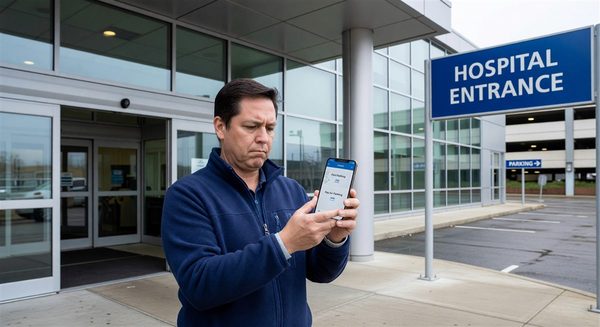
The mechanism is straightforward even if it isn’t always obvious from a facilities perspective: a patient arriving for an appointment, often anxious and sometimes in pain, who then has to fumble with cash, wait behind a jammed gate arm, or search for a working payment kiosk before they’ve even reached the building entrance, carries that frustration into the visit. Health systems that have looked closely at patient-experience data report that parking-related complaints correlate with lower satisfaction on unrelated clinical-encounter questions, which suggests the friction isn’t isolated — it colors the whole visit. Facility teams deploying contactless PARCS (parking access and revenue control systems) generally report measurable reductions in arrival-related complaints, though the magnitude varies by campus and should be validated against a facility’s own baseline data rather than assumed from another system’s reported results.
What “Contactless and Mobile-First” Actually Means for a 2026 Deployment
The phrase covers several distinct capabilities that don’t have to be deployed together, though they compound in value when they are:
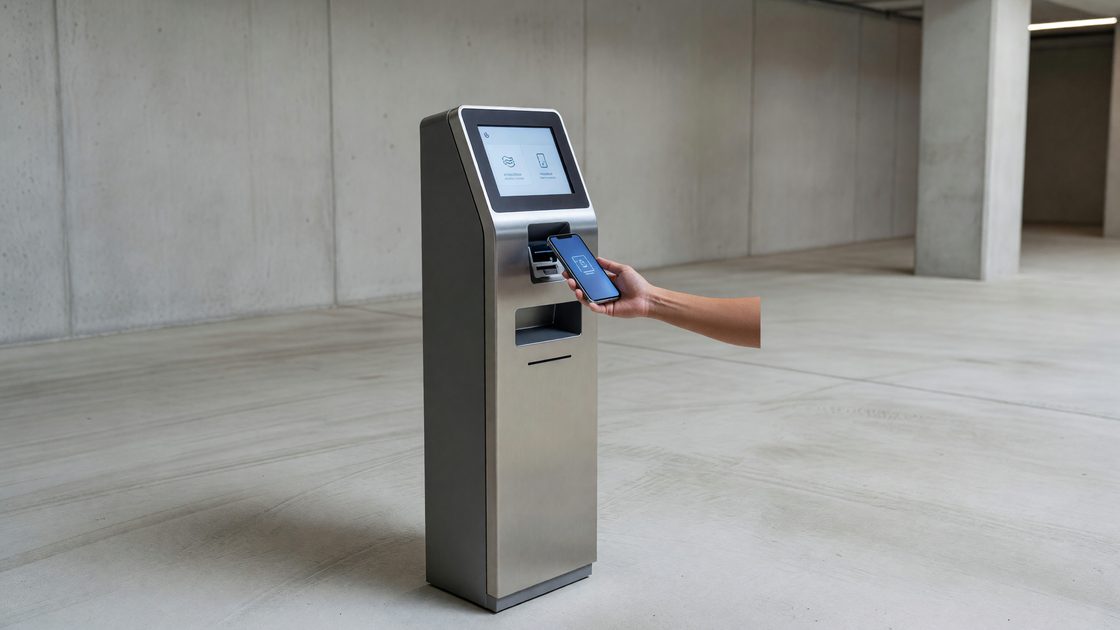
- Tap-to-pay at the gate or pay station. EMV contactless and NFC mobile-wallet acceptance (Apple Pay, Google Pay) at both entry and exit points, eliminating the need for a physical card insertion or cash handling at the point of transaction.
- Pre-arrival mobile reservation and payment. A patient books an appointment and, through a portal or app, reserves and pre-pays for a parking spot tied to that visit — arriving to a known space and skipping the payment interaction entirely on the day of the visit.
- License-plate-based entry and exit. LPR-linked accounts that recognize a returning vehicle and bill automatically, removing the ticket-and-pay-station interaction for enrolled patients and staff.
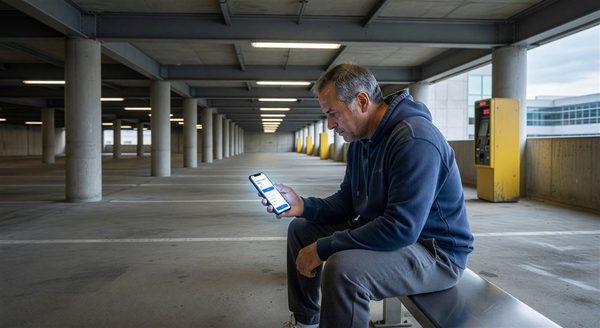
- Mobile pay-by-phone for unplanned visits. A QR code or short number posted at each entrance that lets a walk-in visitor pay via smartphone without touching a kiosk at all.
Not every campus needs all four on day one. The right starting point depends on which friction point generates the most complaints on a specific campus — a busy emergency department entrance has different pressure points than a scheduled outpatient clinic garage.
The Case for Sequencing by Entrance Type
Hospital campuses typically have several distinct parking contexts, and a single payment strategy rarely fits all of them:
- Scheduled outpatient and ambulatory entrances are the best candidates for pre-arrival mobile reservation and payment, since the visit is planned and the patient portal or scheduling system already has a natural touchpoint to introduce the parking payment step.
- Emergency department and urgent-care entrances benefit most from contactless tap-to-pay and simplified exit-only payment, since these visits are unplanned and the priority is minimizing any delay at the point of arrival, not adding a pre-visit step.
- Employee and long-term parking is well suited to LPR-linked automatic billing, since the same vehicles cycle through the same structure daily and the administrative overhead of ticket-based transactions adds up over thousands of repeat entries.
- Visitor and family parking during extended stays (inpatient, surgical waiting) benefits from mobile pay-by-phone paired with rate structures that account for multi-day stays without requiring the visitor to return to a kiosk repeatedly.
Hardware and Integration Considerations
Retrofitting contactless capability onto an existing PARCS deployment is usually more tractable than a full system replacement, but a few technical realities affect the planning timeline:
- Gate hardware age matters. Many hospital PARCS installations are a decade or more old, and older gate controllers may lack the firmware or connectivity to support modern contactless readers without a controller-level upgrade, not just a reader swap.
- Network and PCI scope expand with mobile integration. Any mobile app or pre-payment integration that touches cardholder data brings PCI DSS scope considerations into the parking system in a way that a standalone cash-and-card kiosk historically didn’t carry — coordinate with IT security early, not after a vendor is selected.
- Patient portal integration is the highest-value but most complex piece. Linking parking pre-payment to an existing patient scheduling or portal system typically requires vendor-to-vendor API work between the health system’s EHR-adjacent patient engagement platform and the PARCS vendor, and timelines for this integration are often underestimated in initial project planning.
- Backward compatibility for patients without smartphones or bank cards remains necessary. A contactless-first strategy still needs a staffed or cash-accepting fallback lane, since a meaningful share of hospital visitors — particularly older patients and those relying on public assistance — may not have a compatible payment method.
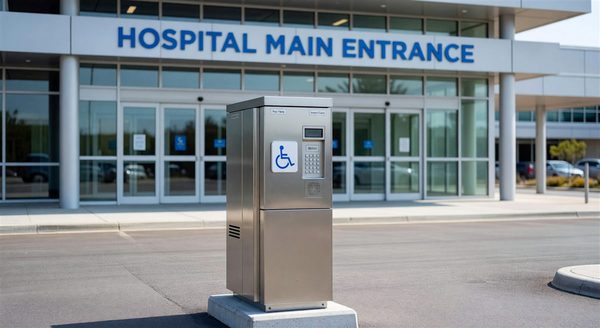
- Accessibility and validation workflows have to be designed in, not retrofitted. Reach and reachability at pay stations, audio and high-contrast interface options, and the ability for a volunteer or clinic to validate or discount parking for eligible patients all need to be part of the initial specification. A payment system that technically accepts contactless but can’t accommodate a discount voucher for a chemotherapy or dialysis patient creates a new friction point while solving an old one.
- Revenue reconciliation gets more complex, not simpler, across multiple payment channels. Once tap-to-pay, pre-payment, LPR billing, and pay-by-phone all coexist, finance needs a single reconciliation view rather than separate reports per channel. Confirm during vendor selection that the system consolidates transaction data across all payment methods, since fragmented reporting undermines the ability to measure adoption and audit revenue accurately.
Budgeting and the Q3 Planning Window
Facility directors evaluating this work for the current budget cycle should treat it as a phased capital item rather than a single line: Phase 1 typically covers contactless hardware at the highest-traffic entrances (often the ED and main outpatient garage), while Phase 2 extends to LPR-linked billing and patient-portal pre-payment integration. Vendors report that a mid-size campus can generally complete a Phase 1 contactless retrofit within a single budget cycle, while portal integration work frequently spans into a second fiscal year given the cross-vendor coordination involved. Facility teams working toward a Q3 budget freeze should prioritize scoping and vendor selection now, since procurement and integration lead times for PARCS hardware commonly run several months from order to installation.
Measuring Whether the Investment Is Working
Before deployment, establish a baseline of parking-related complaints and, where available, the specific patient-experience survey questions that touch on arrival or parking friction. After deployment, track the same metrics alongside average transaction time at the gate and the percentage of transactions completed via contactless versus legacy methods. A facility that can show a measurable shift in both complaint volume and payment-method adoption has a much stronger internal case for Phase 2 funding than one relying on anecdotal feedback alone.
It also helps to segment the adoption metric by entrance type and time of day rather than tracking a single campus-wide figure, since a strong contactless-adoption rate at a scheduled outpatient garage can mask persistent friction at an emergency department entrance where the population and urgency are different. Pairing the quantitative data with periodic direct observation at the highest-traffic gates — watching where visitors hesitate, back up, or fall back to a staffed lane — often surfaces usability problems that transaction logs alone won’t reveal, and gives the facility team specific, correctable issues to bring back to the vendor.
Frequently Asked Questions
Does contactless payment actually reduce patient complaints, or is that just vendor marketing? Facility teams that have deployed contactless PARCS generally report measurable reductions in arrival-related complaints, but the magnitude varies by campus. Establish your own baseline before deployment so you can validate the improvement against your facility’s actual data rather than a vendor’s aggregate claim.
Which entrance should get contactless payment first if budget only covers one phase? Prioritize based on where the friction is most acute for your specific campus — high-volume emergency department and urgent-care entrances typically benefit most from simplified tap-to-pay, since those visits are unplanned and time-sensitive in a way scheduled outpatient visits aren’t.
Do older PARCS installations need a full system replacement to add contactless capability? Not always — many hospital PARCS deployments can be retrofitted with modern contactless readers, but gate controllers a decade or older may need a firmware or controller-level upgrade rather than a simple reader swap. Confirm compatibility with your specific vendor and hardware age before assuming a lightweight retrofit is possible.
Does adding mobile pre-payment integration expand PCI compliance scope for the parking system? Generally yes — any integration that handles cardholder data through a mobile app or portal brings additional PCI DSS scope considerations that a standalone kiosk may not have carried previously. Involve IT security early in vendor selection, not after a contract is signed.
Should a hospital eliminate cash and staffed payment lanes entirely when going contactless? No — maintain a fallback lane or staffed option for visitors without smartphones or bank cards, since a meaningful share of hospital visitors, particularly older patients, may not have a compatible contactless payment method.
Further Reading from Authoritative Sources
- American Hospital Association — Patient Experience — industry research and resources on patient experience trends affecting health system operations.
- ASHE — American Society for Health Care Engineering — facility-operations guidance relevant to healthcare parking and access infrastructure planning.