The useful thing about 2026’s cost environment is that it is no longer uniform. The 2022–23 escalation hit everything at once and there was nothing to sequence around. What is happening now is trade-specific, which means a capital plan can actually be arranged to reduce exposure rather than simply absorbing it.
The numbers worth planning against:
- Baseline escalation for healthcare construction is running in the 2–4% range annually, with broader construction cost escalation projected at 4–6% and higher in tariff-sensitive or labour-intensive trades.
- Steel carried roughly an 18% increase into 2026 under layered tariffs, with aluminium near 22%. Energy and steel volatility mid-year added surcharges reported in the 18–30% range on an already elevated baseline. Structural steel pricing has since shown signs of stabilising, with no major further increases projected for the balance of 2026.
- Plumbing materials rose 8–9% in the second half of 2025 alone. That matters disproportionately in this sector: plumbing accounts for as much as 23.7% of material cost on hospital projects.
- Copper-heavy MEP packages are among the hardest-hit categories currently.
Read together, those figures say something specific about hospital work. Healthcare buildings are MEP-dense — a hospital carries far more mechanical, electrical, and plumbing content per square foot than office or retail — so escalation concentrated in copper, plumbing, and mechanical equipment hits this sector harder than the headline construction indices suggest. The general contractor’s escalation allowance built from a commercial index will understate a hospital project.
Where the exposure actually concentrates
Not every project type carries the same risk profile, and the FY2027 plan should sort by it.
Inpatient towers and procedural space. The worst exposure. Multi-storey inpatient buildings are steel-framed and plumbing-heavy simultaneously, and procedural space adds medical gas, specialised mechanical, and dense electrical. These projects carry the highest share of their cost in the trades that moved.
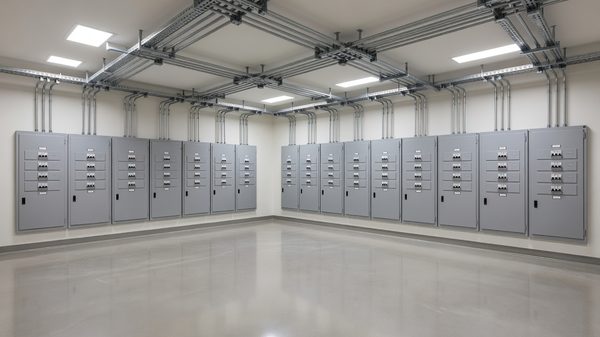
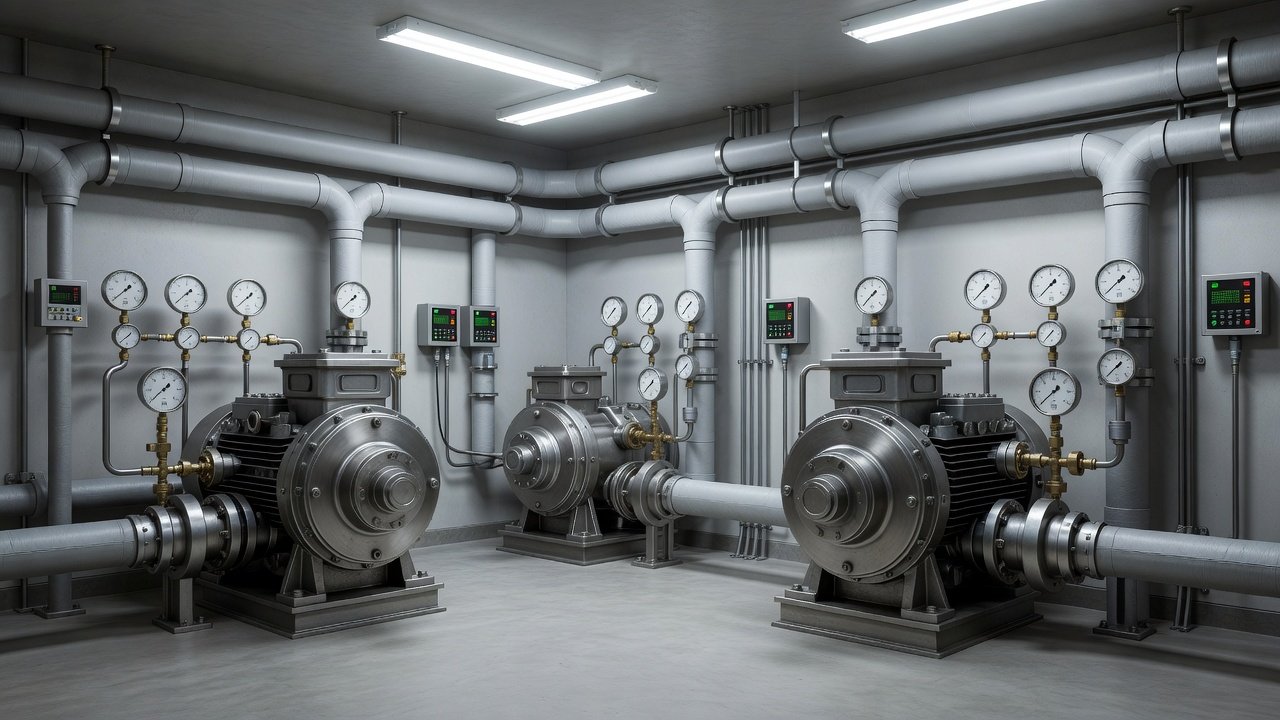
Central utility plant work. High equipment content with long lead times, and equipment pricing has been the least responsive to negotiation. Chillers, generators, and switchgear have had extended lead times since 2021 and the pricing has followed.
Imaging and interventional renovation. Moderate exposure on materials, high exposure on schedule. The cost risk here is less about material escalation than about the revenue cost of a room out of service longer than planned.
Interior fit-out and administrative renovation. The lowest exposure, dominated by labour and finishes rather than commodity metals. These are the projects that can move earlier or later in the plan without much cost consequence — which makes them the flex in your sequencing.
Three sequencing decisions worth making
Pull equipment procurement out of the construction contract. Owner-furnished equipment procurement, executed early, locks pricing and lead time on the categories with the worst volatility and the longest lead. It transfers storage and coordination burden onto the owner and requires someone on staff who can manage it — but on a project with significant chiller, generator, or switchgear content, the price certainty is usually worth the administrative cost. Where the health system is not equipped to do this, early buyout through the contractor with a locked subcontract achieves most of the same effect.
Sequence the steel-heavy project against the fit-out project deliberately. If your plan contains both an inpatient addition and a series of interior renovations, and the budget cannot carry both in FY2027, the fit-out work is the one to defer — its escalation is labour-driven and predictable. Deferring the steel-framed project into a year with a different tariff posture is a gamble on policy; deferring the fit-out is a gamble on labour rates, which move slowly and are forecastable.
Get the escalation allowance right, and put it in the right place. A single project-level contingency invites it to be spent on the first surprise. Trade-specific escalation allowances — larger on steel, plumbing, and MEP equipment, smaller on finishes and labour-dominated scopes — make the exposure visible to the board and harder to consume early. Where the schedule extends past 24 months, escalation should be modelled by procurement date per package, not applied as a flat annual percentage to the whole.
Design decisions that reduce exposure
Some of this is settled at design, before procurement has any room to negotiate.
Structural system selection. Where the program permits, concrete versus steel is a live question again in a way it was not when steel was cheap and fast. The comparison must be total — foundation, floor-to-floor height, schedule duration, and fire protection, not just frame cost — but it is worth running rather than defaulting.
Material substitution in plumbing. Given plumbing’s share of hospital material cost and copper’s exposure, specifying alternative piping materials where codes and the health system’s standards allow is one of the few substitutions with material dollars behind it. This runs into institutional standards and infection-prevention preferences, which is exactly why it needs to be raised at programming rather than at value engineering.
Standardisation across the portfolio. Repeating a room type, a headwall, or an equipment selection across projects turns one-off procurement into volume procurement. Health systems with multiple concurrent projects consistently underuse this.
What to tell the board
The framing that holds up: escalation has moderated from the 2022–23 peak but remains above pre-pandemic norms, and it is now concentrated rather than general. The implication is that project cost is more sensitive to what you build and when you buy it than to general timing — and that a deferral decision made on a portfolio basis, without regard to which trades a given project loads, is as likely to increase exposure as reduce it.
The projects that get built well in this environment are the ones where procurement strategy was decided at programming, not handed to the contractor at GMP.