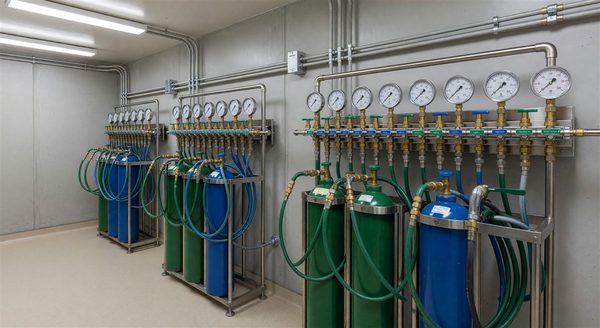
Medical gas systems — piped oxygen, nitrous oxide, medical air, nitrogen, and vacuum — are life-critical infrastructure in every acute care hospital. Failure of these systems during clinical care can result in patient death. This elevated risk profile drives comprehensive regulatory oversight under NFPA 99: Health Care Facilities Code and Joint Commission Environment of Care standards.
Facility directors must manage medical gas compliance not as a periodic check-box exercise but as a continuous operational discipline — from initial design through ongoing inspection, testing, and staff training.
NFPA 99 and the Risk-Based Framework
The 2012 edition of NFPA 99 introduced a fundamental shift: a risk-based categorization system replacing the previous occupancy-type approach. Under the risk-based framework, medical gas systems are classified based on the probability and severity of risk to patients if the system fails:
Category 1: A system failure is reasonably expected to cause patient death. Applies to piped medical gas systems in operating rooms, ICUs, and any critical care areas where patients are life-dependent on the gas supply.
Category 2: A system failure could cause minor injury but is not expected to cause death. Applies to less critical areas.
Category 3: Equipment failures are not expected to cause injury.
The practical implication for most acute care hospital medical gas systems: the majority of piped gas systems fall under Category 1 requirements, which carry the most rigorous design, installation, inspection, and testing standards.
Inspection and Maintenance Requirements
NFPA 99 Section 5.1 and Chapter 6 define inspection and maintenance requirements for piped medical gas and vacuum systems. These requirements include:
Periodic Testing
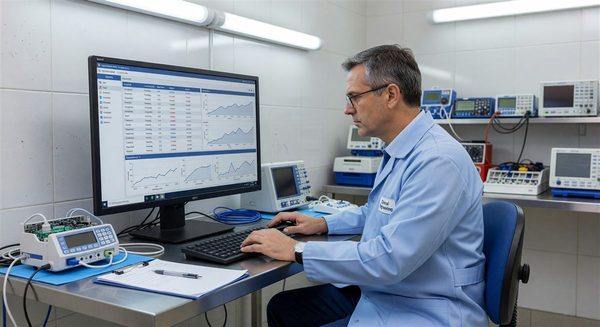
Level 1 Inspection (annual): Performed by a certified medical gas inspector (ASSE 6030 certification). Includes verification of system pressures at zone valve outlets, alarm function testing, and review of labeling and identification.
Level 2 Inspection: Required after any modification, repair, or addition to the piped system. Must be performed before the system is returned to service. Includes pressure testing of the modified section and verification that the modification does not affect other parts of the system.
Level 3 Inspection: Applicable to new installations and major renovations; the most comprehensive testing protocol including crossover testing to verify gas identity at every outlet.
ASSE 6010 certification is required for those who install and test medical gas piping systems. ASSE 6030 is required for periodic inspection and testing of existing systems.
Alarm System Testing
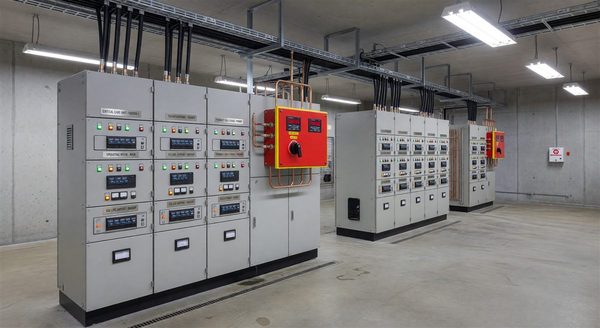
Medical gas alarm systems must be tested as part of the periodic inspection. Zone valve box alarms, master alarm panels, and area alarms must:
- Alert when system pressure rises above or falls below threshold
- Be located where staff can see and respond to alarms 24 hours/day
- Be tested at least annually with documented results
Joint Commission EC.02.05.09 requires hospitals to inspect, test, and maintain medical gas and vacuum piped systems at intervals defined by their policy but at least consistent with NFPA 99 requirements.
Labeling and Identification Requirements
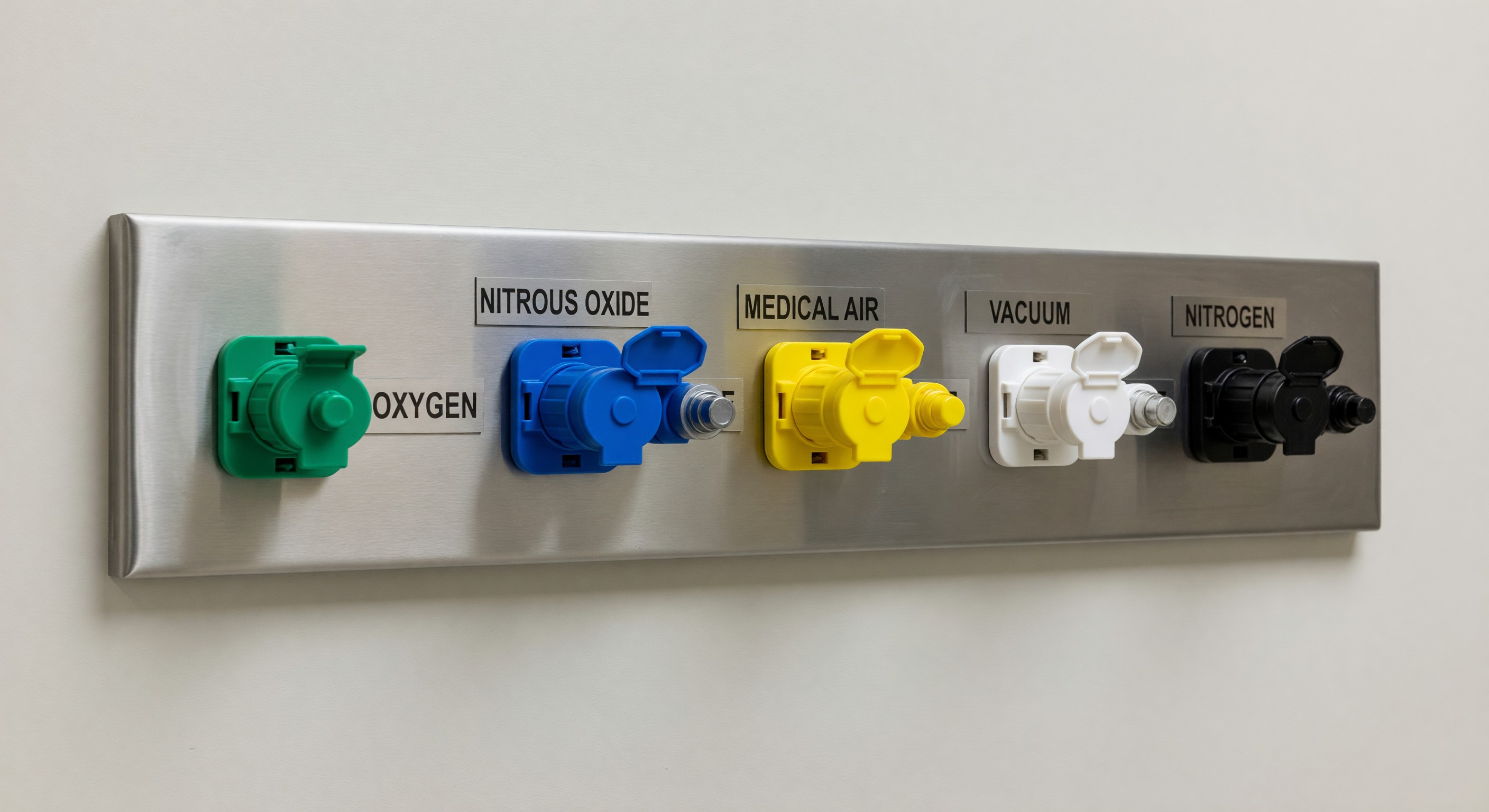
Medical gas outlets, piping, and zone valve boxes must be clearly identified. NFPA 99 and ANSI/ASME A13.1 (pipe identification) specify:
- Gas-specific color coding: oxygen (green), nitrous oxide (blue), medical air (yellow), carbon dioxide (gray), nitrogen (black), vacuum (white)
- Labels on piping at intervals not exceeding 20 feet and at each valve, outlet, and point of entry into rooms or spaces
- Zone valve boxes labeled with the gas type and the clinical areas served
Mislabeled or unlabeled outlets are a common Joint Commission deficiency and, more importantly, a patient safety hazard. Labeling audits should be part of the annual inspection protocol.
Zone Valve Management
Zone valves allow sections of the piped gas system to be isolated for maintenance or emergency shutoff without shutting down the entire system. Critical management requirements:
- Zone valve boxes must be accessible at all times — not blocked by equipment or stored materials
- Valve box locations must be known to clinical staff; training on zone valve shutdown is required
- Zone valve shutoff procedures must be documented in the emergency operations plan
- Any planned zone valve closure affecting clinical areas requires a downtime protocol: portable cylinder backup, patient census review, and clinical staff notification
Connection and Outlet Standards
Medical gas outlets use Diameter Index Safety System (DISS) or quick-connect fittings designed to be gas-specific — physically incompatible with the wrong gas connector. This engineering control prevents cross-connection errors. However:
- Outlet bodies must be the correct DISS fitting for the gas at that location
- Outlets should be inspected for proper gas identity during annual Level 1 inspections
- Any outlet that allows a wrong-gas connection must be replaced immediately
Documentation and Regulatory Submissions
Comprehensive documentation supports both regulatory compliance and operational continuity:
- Piping system as-built drawings updated for every modification
- Inspection and testing reports maintained for a minimum of 3 years
- Alarm test records
- Staff training records on zone valve operation and emergency procedures
- Vendor certifications (ASSE 6030, ASSE 6010) for inspectors and installers
During Joint Commission surveys, medical gas records are frequently reviewed. Surveyors walk the system looking for labeling issues, blocked zone valve access, and evidence of recent inspection.
Common Compliance Deficiencies
The most frequently cited medical gas compliance issues in Joint Commission surveys include:
- Missing or incorrect outlet labeling
- Zone valve boxes blocked or inaccessible
- Alarm system not functioning or not tested within required intervals
- Missing documentation for system modifications
- Failure to use ASSE-certified contractors for installation or testing
Addressing these deficiencies through regular self-assessment — using the Joint Commission’s survey preparation tools and NFPA 99 checklists — reduces survey risk and more importantly ensures patient safety.
Frequently Asked Questions
Who is qualified to inspect hospital medical gas systems? NFPA 99 requires that periodic inspections be conducted by personnel certified to ASSE 6030. Installation and modification work must be performed by contractors certified to ASSE 6010. Facility staff without these certifications may perform certain maintenance tasks but should not conduct formal Level 1, 2, or 3 inspections.
What happens if a medical gas outlet is found to be mislabeled? A mislabeled outlet must be immediately taken out of service (capped or blocked) until it can be correctly labeled and verified by an ASSE 6030 inspector. Do not assume a mislabeled outlet contains the gas indicated — a crossover test is required to verify identity before returning it to service.
Does the Joint Commission require medical gas systems to be tested annually? EC.02.05.09 requires testing at intervals consistent with NFPA 99, which for most systems means at least annual Level 1 inspections. More frequent testing may be required after system modifications or following system failures.
Are medical gas alarm panels required in every unit? NFPA 99 requires master alarm panels, area alarms, and local alarms at specific locations based on the clinical area’s risk category and gas system configuration. The specific panel locations are defined in the facility’s approved construction documents and must be maintained as designed and tested annually.