Construction and renovation in occupied healthcare facilities is one of the highest-risk operational scenarios for infection control. Demolition of walls, ceiling tile removal, dust generation, and disruption of HVAC systems can release Aspergillus spores, other fungal pathogens, and bioaerosols that represent genuine mortality risk for immunocompromised patients.
The Infection Control Risk Assessment (ICRA) is the structured methodology for evaluating construction-related infection risk and defining the control measures required to protect patients and staff. For healthcare facility directors managing capital projects, ICRA is both a Joint Commission expectation and a genuine patient safety tool.
The ICRA Framework
The ICRA process, codified in the American Society for Healthcare Engineering (ASHE) publication Infection Control Risk Assessment and referenced by The Joint Commission, classifies each construction activity and each affected area to determine the appropriate infection control requirements.
Type of Construction Activity (Groups A–D):
- Group A (Type I) — Inspection and non-invasive activities (ceiling tile inspection, paint touch-up, small patch repair). Minimal dust generation.
- Group B (Type II) — Small scale, short duration activities creating minimal dust (electrical work, telephone installation, patch repairs).
- Group C (Type III) — Work generating moderate to high dust (drywall removal, wiring above suspended ceilings, cutting or coring).
- Group D (Type IV) — Major demolition or construction (new construction, extensive demolition, major reconfiguration).
Patient Risk Group (1–4):
- Group 1 — Low risk: office areas, waiting areas, administrative spaces, no direct patient care
- Group 2 — Medium risk: outpatient clinics, general patient care areas, diagnostic areas
- Group 3 — Medium/high risk: ICU, emergency department, PACU, newborn nursery, oncology
- Group 4 — Highest risk: transplant units, bone marrow units, immune-compromised patient areas, OR suites
ICRA Matrix — The intersection of Construction Type (A–D) and Patient Risk Group (1–4) determines the required infection control class (Class I–IV), with Class IV requiring the most intensive controls.
Class IV Construction Controls
Class IV controls — required for major construction adjacent to highest-risk patient areas — represent the full suite of infection control measures:
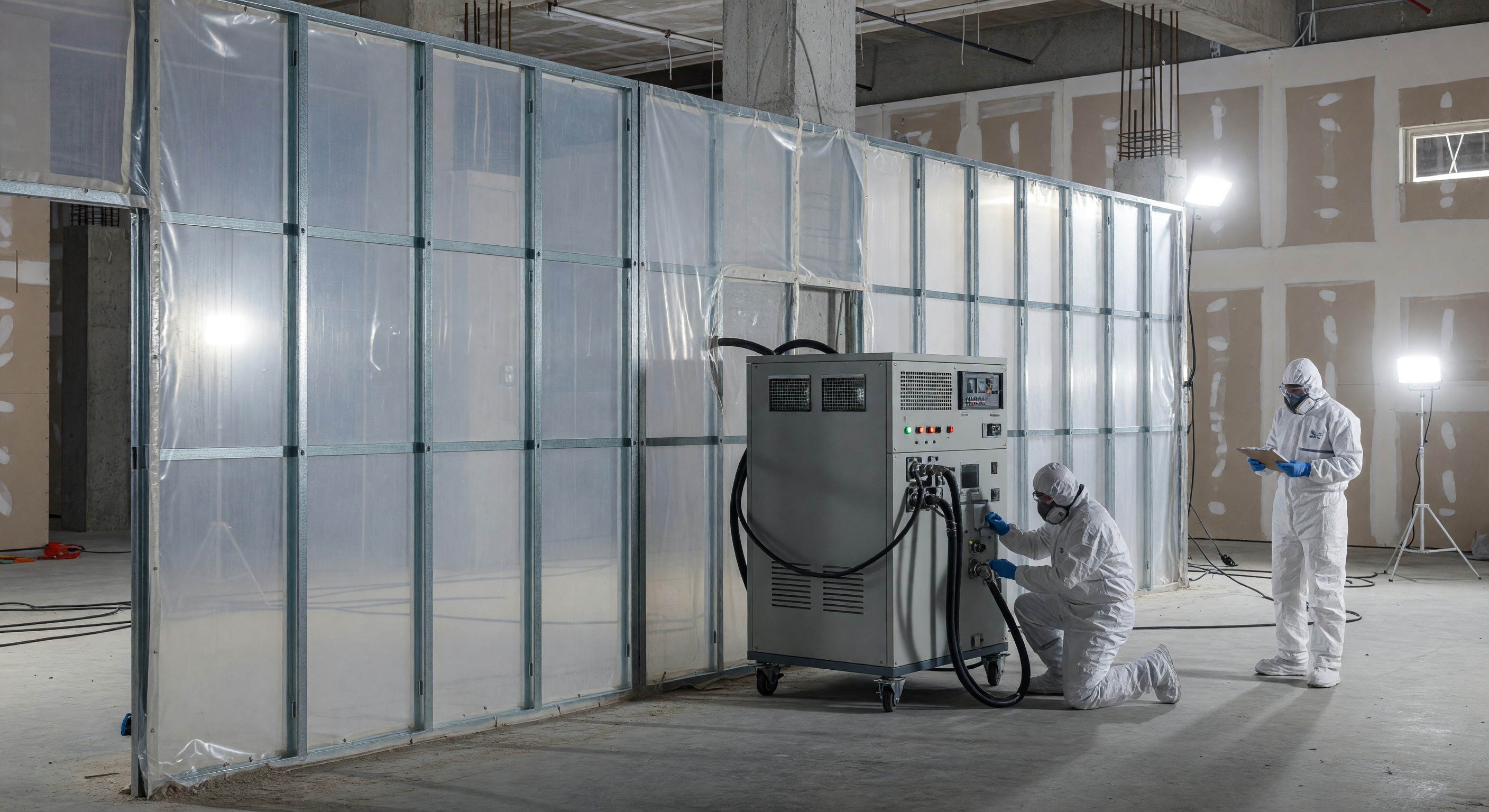
Negative pressure containment — The construction zone must be maintained under negative pressure relative to adjacent patient areas. HEPA-filtered negative pressure units exhaust air from the construction zone to the exterior. Pressure differential must be continuously monitored.
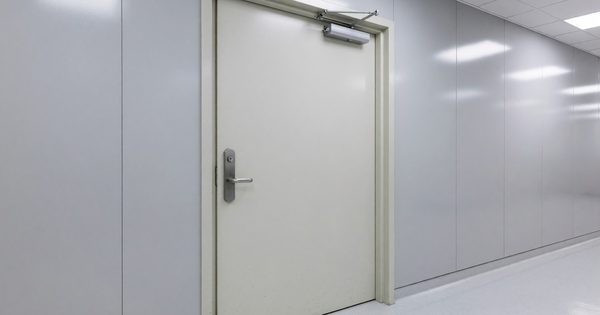
Physical barriers — Sealed barriers from floor to deck above (not just to drop ceiling) using appropriate materials. Tape all seams and utility penetrations. Entry to the construction zone through a double-door anteroom (door vestibule) to prevent dust escape during access.
Debris management — All construction debris transported in sealed containers or covered carts through predetermined routes. No transport through clinical areas. Debris containers handled only by construction personnel with appropriate PPE.
Surface protection — Surfaces in adjacent clinical areas protected from settling dust during any activities that penetrate barriers.
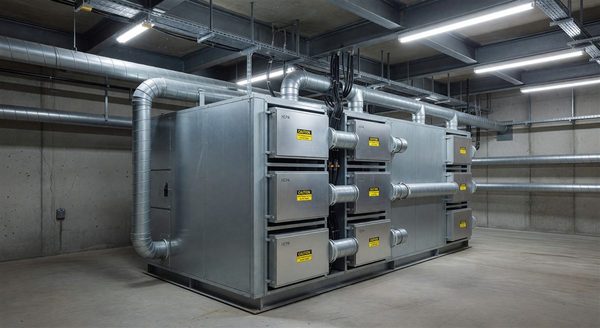
HVAC coordination — Construction zone HVAC must be isolated to prevent dust from entering air handling systems serving patient areas. Dampers, filters, and isolation must be verified before work begins.
Daily cleanup — Construction area cleaned daily; debris removed at end of each work day.
Staff PPE — Construction workers must follow facility-specified PPE requirements in or adjacent to clinical areas.
Pre-Construction and Ongoing Monitoring
ICRA documentation is required before any construction activity begins in a healthcare facility. The ICRA form — signed by infection control, facilities, and project management — becomes a project document and is reviewed by Joint Commission surveyors.
Before construction begins:
- Complete the ICRA matrix to determine the required class
- Document specific control measures required for this project
- Obtain infection control practitioner and administration signatures
- Communicate requirements to the contractor and confirm understanding
- Conduct a pre-construction walk-through of barrier requirements
During construction:
- Daily facility inspection of barrier integrity
- Pressure differential logging for Class III and IV projects
- Reporting of any barrier breach to infection control immediately
- Regular monitoring for water intrusion or mold during demolition
After construction:
- Post-construction cleaning per ICRA closeout requirements
- HVAC system flush and filter replacement before reoccupying clinical areas
- Air sampling in areas adjacent to Class IV construction zones if required by infection control
Common ICRA Failures
The most common ICRA failures that result in patient infections or Joint Commission findings:
Barrier integrity lapses — Gaps in ceiling barriers, incompletely sealed penetrations, or barrier walls that do not extend to the structural deck above. Surveyors who find these gaps during active construction projects will cite the facility.
Negative pressure not maintained — The HEPA unit may be running but not maintaining adequate pressure differential. Continuous monitoring is required, not periodic checks.
Contractor non-compliance — Construction workers who prop open anteroom doors, fail to wet-wipe materials before removing them from the construction zone, or track debris through clinical areas. Facility enforcement of ICRA requirements with contractors is essential.
Inadequate HVAC isolation — Failure to verify that HVAC supply and return serving the construction zone is isolated before demolition begins, resulting in construction dust being distributed through the HVAC system.
Water intrusion during demolition — When demolition exposes areas with pre-existing water damage or mold growth, the ICRA controls may need to be upgraded immediately. A project that began as Class III may need Class IV controls if significant mold is encountered.
Frequently Asked Questions
Does ICRA apply to minor maintenance work, or only construction projects? ICRA applies to any work that has potential to generate dust or disrupt surfaces in a healthcare facility — including routine maintenance. A maintenance worker changing a light fixture above a drop ceiling in an oncology corridor creates dust risk requiring at minimum Type I/Class II controls. Train maintenance staff on ICRA requirements; don’t treat it as a construction-only process.
Who is responsible for enforcing ICRA requirements with contractors? The facility director and project manager share responsibility for ensuring that contractors understand and follow ICRA requirements. Establish ICRA requirements as contract terms and require contractor acknowledgment. Conduct ICRA compliance inspections daily and immediately correct violations. Persistent non-compliance should result in work stoppage. Contractors who routinely violate ICRA requirements represent a serious patient safety risk.
How do we manage ICRA for a project that will take place during a period of high patient census? High patient census periods are not a reason to relax ICRA controls — they are a reason to increase vigilance. If the project absolutely must proceed during high census, increase inspection frequency, consider additional HEPA air purification in adjacent patient areas, and maintain particularly tight barrier integrity. If the timing is flexible, scheduling major ICRA Class IV projects during anticipated lower census periods reduces risk.
What documentation do we need to retain after a construction project? Retain the completed ICRA form with all required signatures, daily inspection logs for barrier and negative pressure compliance, any incident reports of barrier breaches or non-compliance, post-construction air sampling results if performed, and HVAC service records for any system work done in conjunction with the project. Minimum retention is three years; longer retention is advisable for major projects.