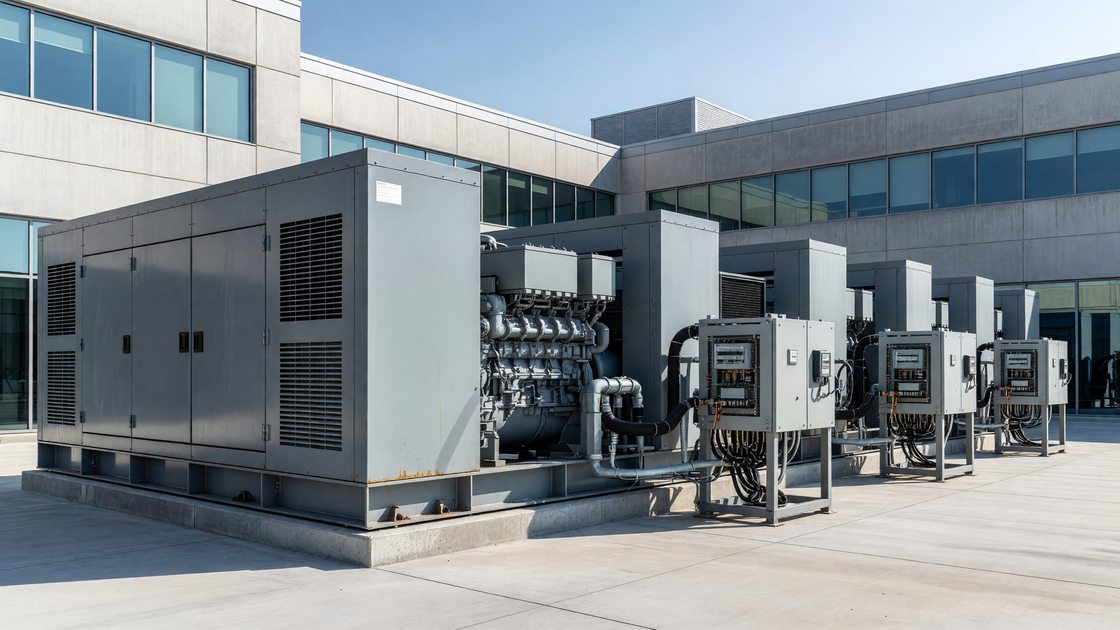
A hospital generator that starts reliably in August can fail to start in January for reasons that have nothing to do with the engine’s basic health. Thick coolant, a weak battery, waxed fuel, a dead heater circuit, or a transfer switch in a room that fell below its working temperature each produce the same result: the 10-second requirement is missed when the grid is already down. Fall is the window to find those problems, because every one of them can be fixed before the first storm.
What the standards require, and what they leave to you
Hospitals reach NFPA 110 through NFPA 99 and NFPA 101, which CMS adopts through the Conditions of Participation at 42 CFR 482.41. CMS currently enforces the 2012 editions of NFPA 99 and NFPA 101, and the NFPA 99-2012 reference to NFPA 110 points to the 2010 edition. Section numbering changed in later editions, so cite the edition your authority having jurisdiction enforces.
Under that framework, most hospital systems are Level 1, Type 10: the generator must carry the load within 10 seconds of power loss. The monthly exercise rules are the familiar ones. Generators run under load for at least 30 minutes at the required loading, and NFPA 99 sets 12 tests a year at 20- to 40-day intervals. Our NFPA 110 compliance guide walks through the monthly and annual load-bank requirements in detail.
What the standards do not supply is a cold-weather checklist. The code sets the outcome (start, transfer, carry load) and the testing cadence. Keeping the system able to do that at minus ten degrees is an engineering and maintenance responsibility defined by the engine manufacturer and your own risk assessment. Do not describe any specific heater setpoint as an NFPA 110 requirement unless you have read it in the edition you enforce.
The cold-start chain
A diesel starts only when several things work together, and cold stresses every link.
Coolant and block heaters
Manufacturer guidance for 10-second starting commonly calls for a jacket water heater that holds coolant at roughly 90 degrees Fahrenheit and recommends one where ambient temperature can fall below about 70 degrees, according to engine-maker consultant materials. Generator makers also note that a typical block heater can take one to two hours to bring an engine to starting temperature, and that heaters are normally intended to keep coolant above about 60 degrees. Those are manufacturer figures, not code, so confirm them against your own engine documentation.
A failed heater is the quietest failure in the building. The generator looks normal, the alarm panel may not report it, and the problem shows up only when the engine cranks slowly in the cold. Verify each heater with a temperature reading at the engine, not just a breaker position. Check the heater contactor and the circuit it sits on. If the heater is on a feeder that loses power when the grid does, you have a design question to resolve now.
Batteries and chargers
Starting batteries lose capacity in the cold while the engine demands more cranking effort. Test the batteries under load, check the charger output, and confirm that any battery heater pads function. Replace batteries on a schedule based on age, not on the date they first fail a test.
Fuel
Fuel causes more post-start problems than most other subsystems. Health Facilities Management has quoted the NFPA 110 technical committee chair saying fuel problems are the leading cause of generator failures after the unit has started and come online. Two separate issues matter in winter.
Annual fuel quality testing. NFPA 110 requires a fuel quality test at least annually using appropriate ASTM standards. The requirement sits at section 8.3.8 in the 2010 edition and 8.3.7 in later editions. ASTM D975 is the usual diesel specification, but it does not fully address stored-fuel problems. Water and microbial growth are the common culprits. Water collects at the bottom of the tank, so a sample drawn from higher up can miss it. Some laboratories and fuel-service providers recommend trend monitoring between annual tests, which is good practice rather than an NFPA 110 mandate.
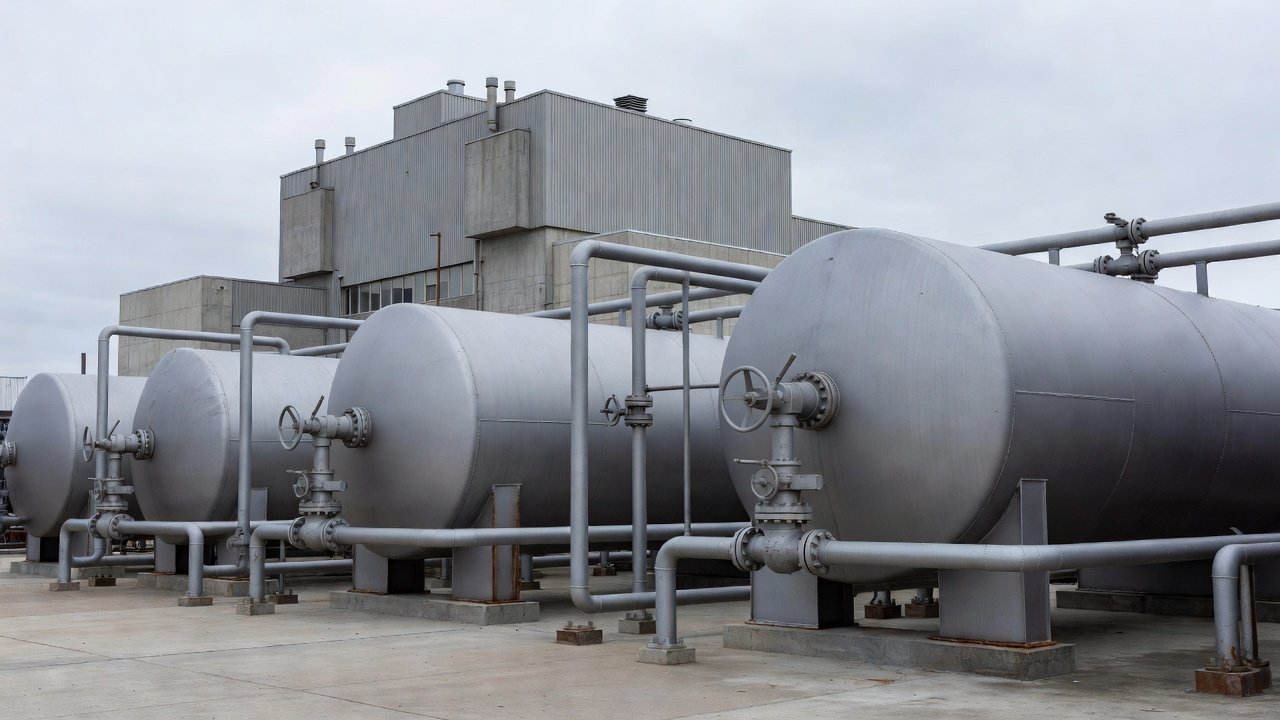
Cold flow. Diesel can gel or wax in freezing weather, and generator makers suggest a winter-grade blend in place of summer fuel where temperatures call for it. Cloud point and cold filter plug point are the properties that predict cold performance. NFPA 110 does not set a cloud point requirement that we were able to find, so ask your fuel supplier for the winter specification of what is actually in your tank, and check whether the day tank, supply lines, and filters sit in a heated or unheated space. Our piece on generator fuel contracts covers the delivery side.
Test in the cold, and test the whole chain
A load test in October at 60 degrees tells you little about January. Two adjustments make the test program more honest.
Schedule at least one monthly exercise on a cold morning. Run the unit after it has sat overnight with heaters on, and record ambient temperature, coolant temperature at start, crank time, and time to rated voltage and frequency. A trend of increasing crank time is an early warning that a heater or battery is degrading. NFPA 99 also expects simulated cold starts as part of the exercise program, so this practice fits within the existing schedule.
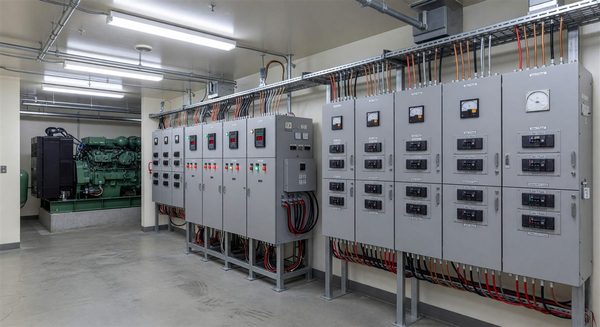
Cycle the transfer switches. A test that proves the engine runs but does not transfer load leaves the automatic transfer function unverified. Check that the switch rooms and enclosures also hold working temperature, since controls and batteries in an unheated space can misbehave.
Facility conditions outside the engine
Cold-weather readiness extends past the generator pad.
- Intakes and exhaust. Snow and ice can block combustion air inlets, radiator louvers, and exhaust. Confirm louver operation and clear access routes.
- Fuel delivery. Confirm the supplier’s winter dispatch, the access route, and a backup if the primary supplier cannot reach you.
- Sprinklers and piping in generator rooms. Frozen water in sprinkler piping can burst on thaw, and reporting from the 2021 Texas winter storm described burst pipes in several hospital areas, including generator rooms.
- Remote monitoring. Confirm that alarms reach someone who can act on them during a storm.
The records surveyors read
Because surveyors read the log rather than watching the start, cold-weather diligence only counts if it is recorded. Capture heater verification dates, battery test results, fuel test reports with the laboratory’s findings, and corrective actions closed. A fuel report that flags water or contamination without a recorded response is a finding waiting to happen.
A pre-freeze sequence
- Verify every jacket water and battery heater with a physical temperature reading.
- Test batteries and chargers under load.
- Pull the annual fuel quality report; confirm winter blend and bottom-sample results.
- Schedule a cold-morning exercise with full transfer, and log crank and start times.
- Walk intake louvers, exhaust, and access routes.
- Confirm fuel delivery dispatch and a secondary supplier.
The aim is to arrive at the first storm with a record showing the system started, transferred, and carried load in cold conditions and had been doing so for weeks.