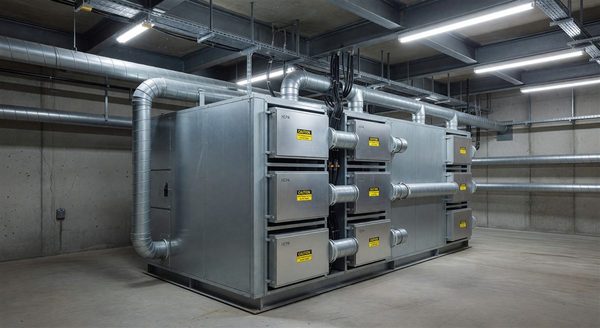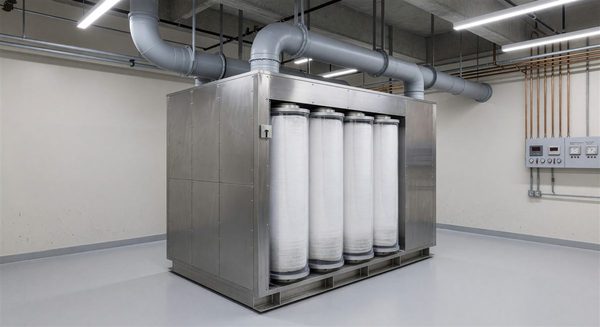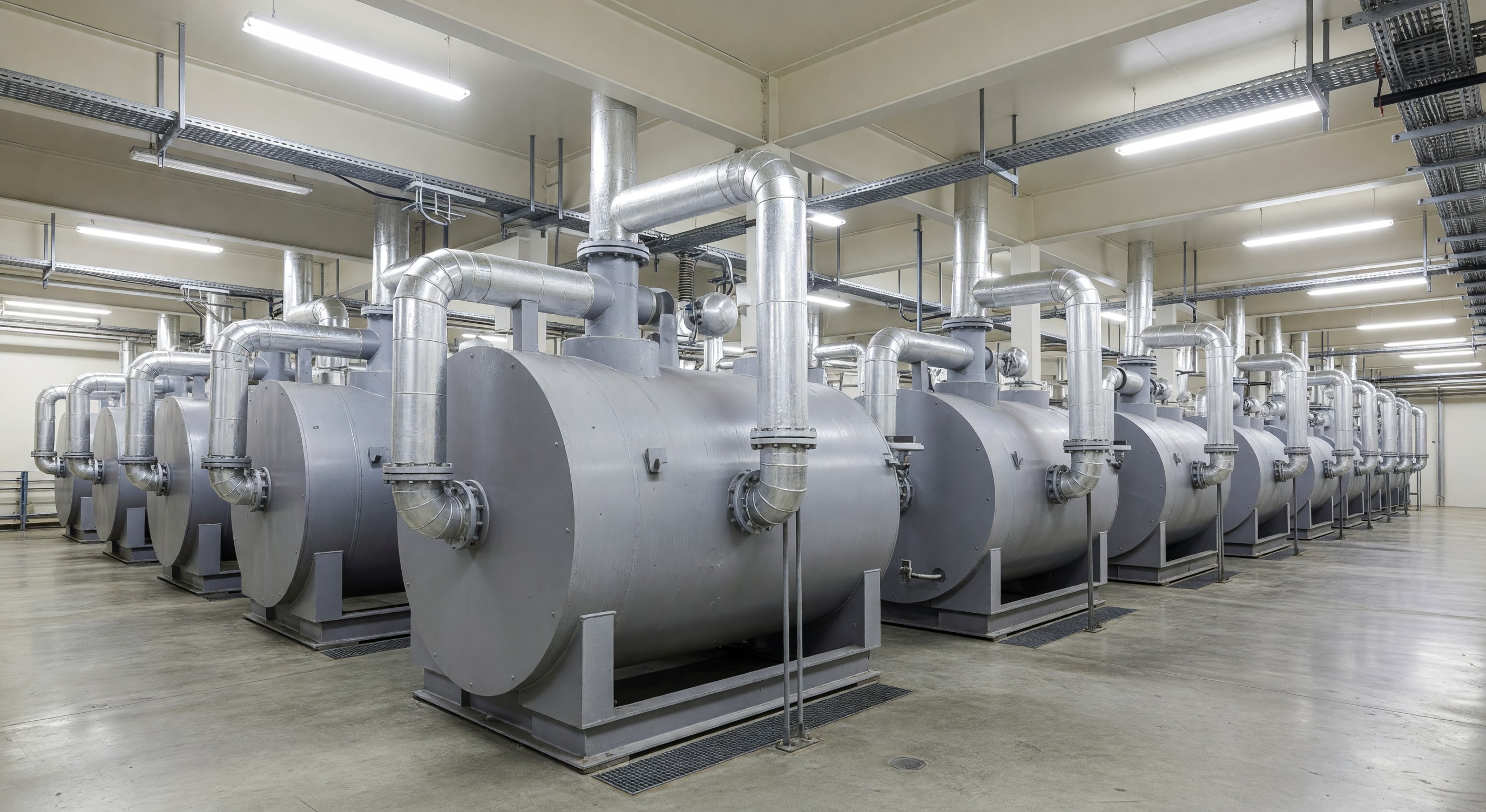
The chilled water plant is the largest single energy consumer in most hospitals and one of the most operationally critical building systems on campus. A chiller failure on a hot summer day — when building cooling loads peak and chiller capacity is already challenged — can force operating room closures, ICU temperature exceedances, and patient diversions. Managing the chiller plant with appropriate engineering rigor is both a patient safety and a financial management imperative.
Hospital Cooling Load Characteristics
Hospital chilled water plants must serve a more complex and variable cooling load than most commercial applications:
Process cooling — MRI equipment, CT scanners, linear accelerators, and laboratory equipment require dedicated process cooling that cannot be interrupted. Process cooling loads are relatively constant and must be served even when ambient conditions reduce chiller efficiency.
HVAC cooling — The dominant load. HVAC cooling varies with outdoor temperature, solar gain, occupancy, and internal heat gains from medical equipment and lighting. In summer peak conditions, HVAC cooling demand may be 2–3 times the winter load.
Dehumidification — Medical-grade ventilation systems with high outdoor air fractions require significant dehumidification in humid climates. Dehumidification is a cooling function — the air must be overcooled to remove moisture, then reheated to the supply temperature.
24/7 operation — Unlike commercial buildings with significant nighttime load reduction, hospitals require substantial cooling 24 hours a day — the ICU, surgical suites, and imaging equipment do not stop operating at 5 PM.
Chiller Redundancy Planning
NFPA 99 and healthcare operational requirements dictate that critical cooling loads cannot be interrupted by a single chiller failure. Redundancy planning must ensure that the loss of any single chiller does not compromise clinical operations.
N+1 redundancy — The most common approach. If peak load requires three chillers, install four. The fourth provides backup capacity for maintenance or failure of any single unit.
N+2 redundancy — For highest-criticality facilities or in climates with sustained extreme heat, N+2 provides more margin. Two units can fail simultaneously (or one can be down for maintenance while a second fails) without loss of clinical cooling capacity.
Load shedding protocols — Even with N+1 redundancy, a chiller failure during a peak heat event may require temporarily reducing non-critical cooling loads to protect critical clinical loads. Define and document these load shedding protocols before they are needed: which loads can be reduced or deferred, in what order, and with what decision authority.
Cross-connection capability — Campus chilled water plants serving multiple buildings should be designed with cross-connection capability — the ability to feed any building from any plant. Isolation valves and cross-connect piping allow routing around localized failures.
Chiller Operations: Efficiency Strategies
Chilled water plant efficiency is measured by chiller efficiency (kW per ton) and plant efficiency (kW per ton, including cooling tower fans, condenser water pumps, and chilled water pumps). Improving plant efficiency in a large hospital can generate $100,000–$500,000 in annual energy savings.
Chilled water reset — Raising the chilled water supply temperature setpoint when conditions permit (lower outdoor temperature, lower building loads) improves chiller efficiency. A chiller producing 48°F water operates more efficiently than one producing 44°F. BMS-controlled chilled water reset can yield 2–5% energy savings with minimal capital investment.
Chiller sequencing — Running fewer, fully loaded chillers is more efficient than running many partially loaded chillers. Centrifugal chillers in particular lose efficiency at part load. BMS-integrated chiller sequencing logic optimizes the number of operating chillers against the actual load.
Cooling tower approach temperature — Lower condenser water temperature improves chiller efficiency. Operating cooling towers to minimize approach to wet bulb temperature (increasing fan speed, maximizing water flow) allows chillers to operate at lower head pressure. The energy tradeoff between cooling tower fan power and chiller savings should be optimized.
Variable primary flow — Traditional chilled water systems use a primary-secondary pump configuration with constant primary flow. Variable primary flow (VPF) systems allow chilled water flow to track actual building demand, reducing pump energy substantially.
Free cooling — In climates with significant cool weather periods, waterside economizers or air-side free cooling can provide chilled water without mechanical refrigeration during cool ambient conditions. The capital cost of free cooling infrastructure may be recovered in 3–7 years depending on climate and system size.
Preventive Maintenance Program
Chiller preventive maintenance is among the highest-value PM activities in the central plant:
Annual — Full unit service per manufacturer recommendation: refrigerant charge verification, oil sample analysis, leak check, condenser tube inspection and cleaning, evaporator inspection, vibration analysis, electrical connection inspection, controls calibration.
Quarterly — Oil analysis (for oil-bearing systems), refrigerant leak check, bearing inspection, operational performance data collection.
Monthly — Operating parameter log (temperatures, pressures, power draw), visual inspection, log review against expected performance.
Condenser tube cleaning — Scale deposits on condenser tubes increase head pressure and reduce efficiency. Annual tube cleaning is standard; fouled water conditions may require more frequent cleaning. Tube deposits of 0.001 inches reduce efficiency by 15–20%.
Refrigerant Transition Planning
EPA Section 608 regulations and the AIM Act (American Innovation and Manufacturing Act of 2020) are driving a transition from high-GWP refrigerants (particularly HFCs) to lower-GWP alternatives. Healthcare facilities with large chiller fleets face significant planning and capital decisions.
R-134a (used in many centrifugal chillers) is subject to phasedown under the AIM Act schedule. Facilities currently operating R-134a equipment should understand the timeline for R-134a availability and cost increases, and whether HFO-based drop-in replacements or system replacement represent the better long-term strategy.
Equipment replacement schedules should incorporate refrigerant transition planning, targeting replacement cycles that coincide with the refrigerant phasedown timeline rather than forcing premature replacements.
Frequently Asked Questions
How do we justify chiller replacement when the existing equipment is still functional? Base the business case on total cost of ownership: aging chillers consume more energy per ton than current equipment (often 20–35% more), have higher maintenance costs, face increasing refrigerant costs and availability risk, and present higher failure probability. A detailed NPV analysis comparing the maintenance and energy costs of the existing equipment against the capital and operating costs of new equipment typically supports replacement for chillers that are 15+ years old in high-use healthcare applications.
What is the appropriate chilled water plant design leaving temperature for a hospital? Most hospital chilled water systems are designed with a leaving chilled water temperature of 44°F or 45°F, sufficient for dehumidification and comfort cooling in direct expansion or air handling unit coils. High-humidity climates or facilities with intensive dehumidification requirements may use 42°F leaving temperature. Raising the setpoint above 45°F reduces dehumidification capacity and may create humidity compliance issues in clinical spaces.
How do we manage a chiller failure during a heat wave when capacity is already stretched? Execute the documented load shedding plan: first, raise space temperature setpoints in non-clinical areas by 2–4°F; second, reduce or defer non-critical cooling loads (dehumidification resets, office area setpoint relaxation); third, monitor clinical area temperatures against acceptable ranges defined in your emergency plan; fourth, contact chiller service for emergency response and evaluate temporary rental chiller options. Pre-positioning rental chiller contracts before summer heat season is advisable in markets with high summer peak risk.
Should we use chiller monitoring and remote diagnostics services from our chiller manufacturer? Manufacturer remote monitoring programs provide early warning of developing equipment issues and predictive maintenance alerts that can prevent failures. The value depends on the manufacturer’s specific program quality and the criticality of your plant. For large, critical chilled water plants, manufacturer remote monitoring is generally worth the subscription cost. Ensure that remote access is appropriately governed from a cybersecurity perspective.