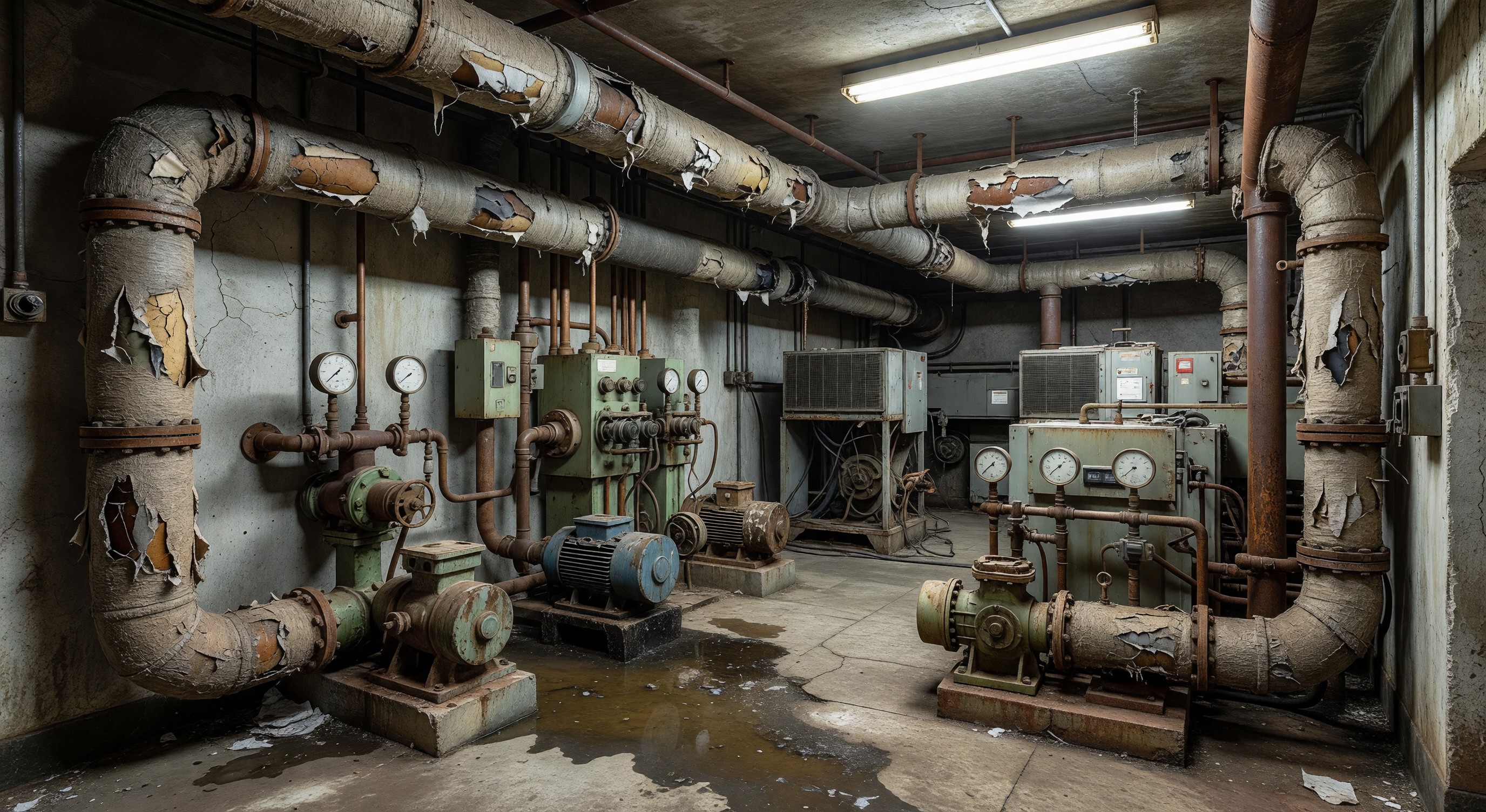
Deferred maintenance is the accumulated cost of infrastructure investment that should have occurred but did not. Every hospital has some deferred maintenance. Facilities built decades ago with systems at or past end of useful life, tight capital budgets that prioritize clinical equipment over infrastructure, and a cultural tendency to run equipment to failure rather than replace proactively — these forces produce deferred maintenance backlogs that in some healthcare systems have grown to hundreds of millions of dollars.
The COVID-19 pandemic made the situation worse. Capital budgets that would have funded infrastructure replacement in 2020–2021 were diverted to pandemic response, PPE, and clinical capacity. The deferred maintenance queue grew in facilities that were already behind.
For facility directors, the challenge is not just managing deferred maintenance — it is quantifying it, prioritizing it, and communicating its implications to leadership in terms that drive capital allocation.
Defining and Measuring Deferred Maintenance
Deferred maintenance is typically measured through a Facility Condition Assessment (FCA) — a systematic inspection of all building components and systems, resulting in a documented inventory of deficiencies and their estimated repair or replacement costs.
A comprehensive FCA covers:
- Structural systems (foundation, structure, roof)
- Building envelope (exterior walls, windows, roofing)
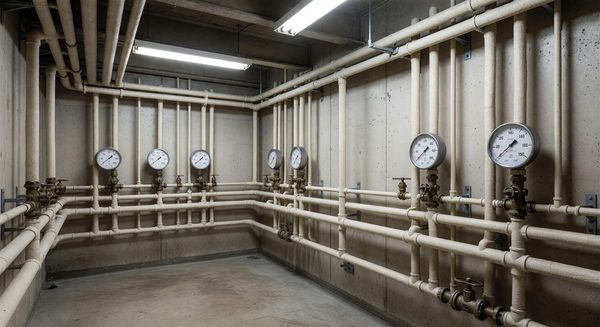
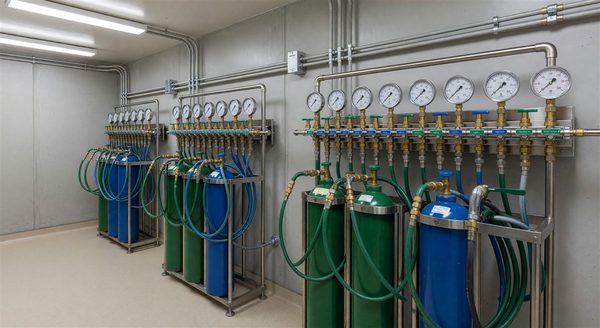
- Mechanical systems (HVAC, plumbing, medical gas)
- Electrical systems (distribution, lighting, emergency power)
- Life safety systems (sprinkler, fire alarm)
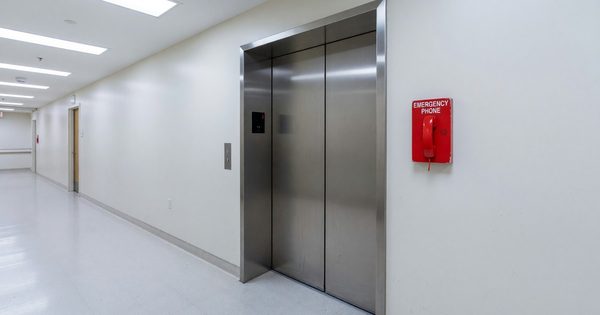
- Vertical transportation (elevators)
- Interior finishes and fixed equipment
- Site improvements (parking, landscaping, roads)
The FCA output is a deficiency list with associated costs, organized by system, building, and urgency level. The total sum of deficiency costs is the deferred maintenance backlog.
Facility Condition Index
The Facility Condition Index (FCI) is the standard metric for communicating the overall state of a facility portfolio:
FCI = Deferred Maintenance Cost / Current Replacement Value (CRV)
An FCI of 0 indicates no deferred maintenance. An FCI of 1.0 would indicate deferred maintenance equal to the cost of replacing the entire facility.
Benchmarks for healthcare facilities:
- FCI < 0.05 (5%): Good condition, well-maintained
- FCI 0.05–0.10: Fair condition, some investment required
- FCI 0.10–0.25: Poor condition, significant investment required
- FCI > 0.25: Critical condition, major investment or replacement planning required
Many hospital systems — particularly safety net and rural hospitals — operate at FCI values above 0.15, representing significant infrastructure risk. The National Academy for State Health Policy has documented the relationship between high FCI and patient safety outcomes.
Prioritizing the Backlog
Not all deferred maintenance is equal. A cracked sidewalk and a failing emergency generator are both deferred maintenance, but they present dramatically different risk levels. Prioritization frameworks typically categorize deficiencies by:
Priority 1 — Life safety/immediate: Conditions that present imminent risk to patient safety, staff safety, or regulatory compliance. Building structural deficiencies, failing sprinkler systems, inoperable emergency power equipment, and active water intrusion in clinical areas. These require immediate action regardless of cost.
Priority 2 — Urgent/1-2 years: Conditions that are likely to worsen significantly, create compliance risk, or affect patient care quality if not addressed within 1–2 years. Failing HVAC systems in clinical areas, elevator reliability issues, and significant plumbing system deficiencies.
Priority 3 — Necessary/3-5 years: Conditions that affect operational efficiency, maintenance costs, or will escalate to Priority 2 if not addressed within the planning horizon. Aging equipment approaching end of useful life, energy-inefficient systems, and cosmetic deterioration affecting the healing environment.
Priority 4 — Discretionary: Improvements that enhance the environment but are not required for safety or compliance. These compete with other facility enhancement priorities.
Building the Capital Investment Case
Healthcare facility directors must compete for capital against new clinical programs, technology upgrades, and revenue-generating investments. Communicating infrastructure needs in clinical and financial terms — not just technical terms — is essential for securing capital.
Effective capital investment narratives include:
Patient care impact — How does this infrastructure failure affect patient experience or clinical outcomes? An HVAC failure in an oncology infusion suite does not just create a maintenance call — it affects immunocompromised patients’ comfort and safety.
Revenue protection — Facilities cannot generate revenue when they are closed or operating at reduced capacity. Quantifying the revenue at risk if a critical system fails makes the investment case concrete. A failed chiller in summer that forces OR cancellations costs more in revenue loss than the chiller replacement.
Compliance risk — Joint Commission findings, CMS deficiencies, and OSHA citations carry financial and reputational consequences. Infrastructure conditions that create compliance risk can be quantified in terms of potential penalty exposure and accreditation implications.
Insurance and liability — Building condition affects property and casualty insurance. Underwriters increasingly assess facility condition as part of premium determination.
Cost escalation — The cost of deferring repair compounds. A failing roof allowed to deteriorate causes interior water damage, mold remediation requirements, and finishes replacement. A failing cooling tower delays until failure requires emergency replacement at premium cost. Quantifying the cost of inaction over time makes the investment case more compelling.
Staffing Crisis and Deferred Maintenance (2021)
The healthcare staffing crisis of 2021 — driven by COVID-19 burnout, early retirements, and competition for clinical staff — extended into the facilities and maintenance workforce. Experienced facilities technicians retired or left healthcare, reducing the institutional knowledge and capacity available to manage aging infrastructure.
Facilities with aging equipment that requires experienced technicians to operate and maintain found themselves particularly vulnerable. Equipment that could be maintained by experienced staff became problematic when that staff departed. Knowledge transfer — documenting institutional knowledge about building systems, quirks, and maintenance requirements — became an urgent priority.
The maintenance staffing shortage also affected the pace of PM completion, allowing deferred maintenance to accumulate further in some facilities at precisely the time when leadership attention was focused on clinical staffing.
Frequently Asked Questions
How often should a comprehensive Facility Condition Assessment be conducted? A full FCA should be conducted every 3–5 years for a large hospital campus. Annual updates for priority items and newly identified deficiencies can bridge between full assessments. Some organizations conduct rolling assessments — cycling through all buildings over a 3-year period so that no building goes more than 3 years without assessment.
Who should conduct our Facility Condition Assessment? An independent architectural and engineering firm with healthcare facility assessment experience is preferred. Using the same firm that performs your capital project design creates a potential conflict of interest. Independent assessors have no financial incentive to over- or under-report deficiencies.
How do we communicate deferred maintenance risk to a board that does not have facilities expertise? Use visual and comparative framing. A Facility Condition Index chart over time shows trend clearly. Comparing your FCI to industry benchmarks provides context. Specific patient care impact examples make the risk concrete. Photographs of deficient conditions are more compelling than technical descriptions. The goal is to communicate risk, not technical detail.
What role does deferred maintenance play in merger or acquisition planning? Facility condition assessments are standard in healthcare M&A due diligence. A high deferred maintenance backlog represents a liability that acquirers will typically include in deal negotiations as a purchase price adjustment or post-closing capital commitment. Facilities leaders should expect their deferred maintenance data and FCAs to be reviewed in detail during any merger or affiliation process.