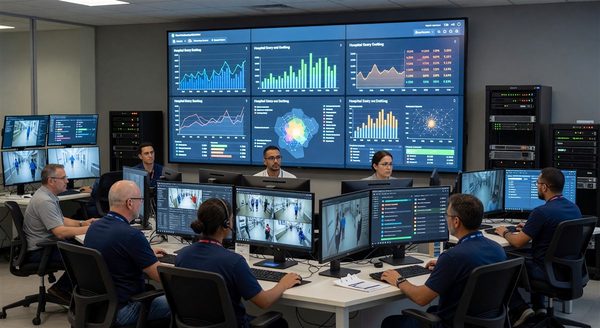
Healthcare facility visitor management has evolved significantly from the paper logbook era. Today’s healthcare organizations are deploying integrated visitor credentialing systems that combine digital identity verification, background screening, immunization status verification, and real-time access control integration—creating a documented audit trail that satisfies Joint Commission and CMS requirements while improving operational efficiency.
The driver for this modernization is both regulatory and operational. The Joint Commission’s Environment of Care and Human Resources standards require that healthcare facilities verify the credentials of vendors, contractors, and other non-employee personnel who work in the facility. CMS Conditions of Participation require that clinical contractors and service providers meet applicable licensing and immunization standards. Managing this compliance requirement through paper processes has become untenable as vendor and contractor populations have grown and regulatory scrutiny has increased.
The Scope of Healthcare Visitor Credentialing
Healthcare visitor credentialing encompasses several distinct populations with different requirements:
Medical Device and Equipment Vendors Medical device company representatives who access clinical areas to support device use, provide training, or observe procedures must be credentialed for clinical area access. Requirements typically include identity verification, background screening, healthcare compliance training completion (HIPAA, infection control), immunization verification (flu shot, COVID-19 vaccination per facility policy), and facility-specific orientation training.
Construction and Facility Contractors Contractors performing construction, renovation, or maintenance work in healthcare facilities require credentialing that verifies identity, background screening, and infection control construction training (ICRA—Infection Control Risk Assessment). Contractors working in proximity to patients or sterile environments may have additional immunization requirements.
Volunteers and Students Clinical students (nursing, medical, allied health) and volunteers require credentialing that verifies identity, immunization status, background screening, and appropriate training completion. These populations have high turnover and represent a significant credentialing volume.
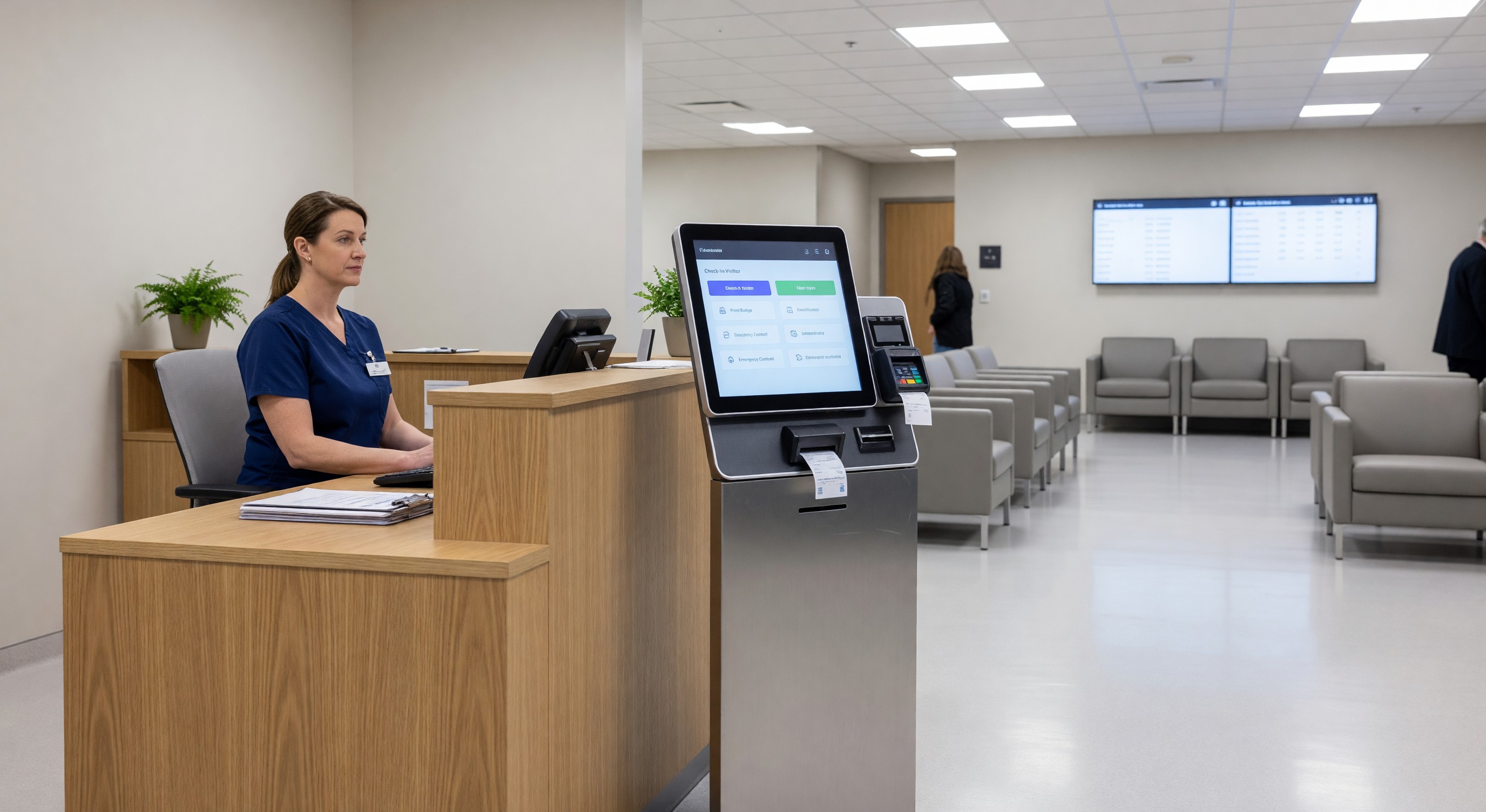
Casual Visitors General patient visitors (family members, friends) require basic identification verification and, in some facilities during infection control events, health screening. Most visitor management systems handle this through a self-service check-in kiosk that captures ID, issues a time-limited visitor badge, and logs the visit.
Technology Components of Modern Visitor Credentialing
Digital Identity Verification Modern visitor kiosks capture government-issued ID through document scanning and verify authenticity. This replaces manual ID inspection and creates a digital record of the credential presented.
Background Screening Integration Vendor credentialing platforms integrate with third-party background screening services to automate background check requirements for vendor and contractor populations. Background screening results are stored in the credentialing system and refresh automatically at required intervals.
Immunization and Health Record Verification Healthcare facilities in most states require vendors and contractors to provide proof of specific immunizations, including influenza vaccination, tuberculosis screening, and—depending on facility policy—COVID-19 vaccination status. Digital credentialing platforms allow vendors to upload and store immunization records, with automated compliance verification and expiration tracking.
Compliance Training Management Many facilities require completion of online training modules (HIPAA, infection control, facility-specific orientation) before granting access. Credentialing platforms track training completion status and block access for individuals with expired or incomplete training requirements.
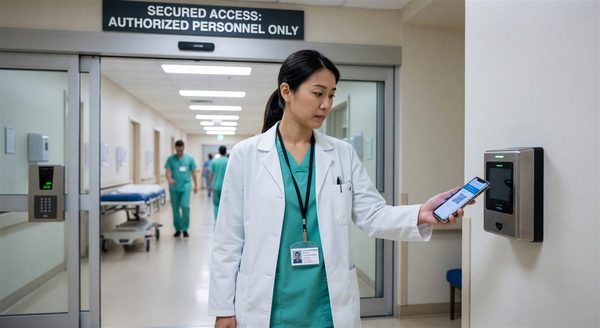
Real-Time Access Control Integration The most operationally powerful credentialing implementations integrate with the facility’s access control system, allowing visitor and vendor badges to be issued with specific access permissions tied to the individual’s compliance status. A vendor whose immunization records have expired automatically loses access until updated records are submitted and verified.
Joint Commission Compliance Implications
The Joint Commission’s HR.01.02.05 standard requires that healthcare organizations verify specific qualifications for contract workers who have the same responsibilities as licensed independent practitioners. EC.02.01.01 and related standards require controlled access to clinical areas.
For surveyor purposes, a modern digital visitor credentialing system provides significantly stronger compliance documentation than paper-based alternatives:
- Complete access logs with timestamps and identity verification
- Automated credential expiration tracking and compliance verification
- Documented training completion records linked to specific individuals
- Background screening result documentation
Organizations using paper-based credentialing should expect increasing scrutiny as surveyors become familiar with the capabilities of modern digital systems.
Vendor and Contractor Pre-Credentialing
Many healthcare organizations now require vendors to complete credentialing requirements through a centralized vendor management portal before arriving at the facility—eliminating the day-of-visit credentialing process for returning vendors.
National vendor credentialing platforms (Symplr, Intellicentrics, RepTrax, VendorMate) allow medical device representatives and service contractors to maintain a single credential profile that is shared across multiple healthcare organizations in their network. This reduces administrative burden for both vendors and healthcare facilities and has become the industry standard for medical device vendor management.
Healthcare facility security directors should evaluate whether participation in a national vendor credentialing network meets their specific compliance requirements or whether facility-specific credentialing requirements necessitate a proprietary system.
Emergency and Disaster Credentialing
Healthcare facilities must have a process for credentialing healthcare professionals and volunteers during disaster situations when normal credentialing processes cannot be completed. The Joint Commission’s EC standards address emergency credentialing requirements.
Modern visitor management platforms can support emergency credentialing through expedited verification workflows that capture essential identity and license information while deferring comprehensive background screening until after the emergency period. This supports surge capacity response without creating permanent credential records that bypass normal security requirements.
Frequently Asked Questions
How long should healthcare facilities retain visitor and vendor credentialing records? Retention requirements vary by state and record type. Most healthcare legal counsel recommends retaining vendor credentialing records for a minimum of seven years to support potential liability investigations. Access log data (who badged in, when) is often retained for two to three years. Consult with healthcare legal counsel and the facility’s privacy officer for jurisdiction-specific guidance.
Can healthcare facilities require COVID-19 vaccination as a credentialing requirement for vendors? As of 2024, the federal CMS COVID-19 vaccination mandate for healthcare facility staff has been rescinded. Individual healthcare organizations may establish their own vaccination requirements for vendors and contractors as a condition of facility access, subject to applicable state law and legal review. Requirements should be applied consistently across all vendor populations.
How do visitor management systems handle HIPAA privacy concerns for visitor log data? Visitor logs that record only names, dates, and areas accessed generally don’t contain protected health information and are not subject to HIPAA. However, visitor systems that capture information about patients being visited—particularly in psychiatric or substance abuse treatment settings—may implicate HIPAA or applicable state privacy laws. Privacy counsel review is advisable for credentialing systems that capture patient-visitor relationship information.
What’s the best approach for managing contractors who work at a healthcare facility only occasionally? National vendor credentialing networks are ideal for occasional contractors who work at multiple healthcare facilities—the vendor maintains a single credential profile that satisfies requirements at all participating facilities. For contractors specific to a single facility, a web-based self-service pre-credentialing portal that vendors can access remotely to upload documentation before their first visit reduces day-of administrative burden.